

Experiencing balding at 17 in males can be shocking, especially at a stage when appearance deeply influences confidence. Teenage hair loss is more common than many assume, and understanding the root cause is the first step toward effective treatment.
When it comes to early-onset hair loss, expert evaluation becomes extremely important. Dr. Viral Desai, one of a respected cosmetic and plastic surgeon in Mumbai, is known for his deep understanding of hair restoration and scalp health.
Doctor says:
“The earlier hair loss begins, the more crucial it is to identify the cause and start timely treatment.”
his highlights the importance of professional guidance right from the start. Dr. Desai’s patient-centric approach and advanced techniques make him a trusted name for those seeking effective solutions for premature balding, especially teenagers experiencing unexpected thinning or receding hairlines.
Is Balding at 17 in Males Normal?

Experiencing balding at 17 can feel alarming, but it is not uncommon. While most men begin noticing hair thinning in their mid-20s or early 30s, some teenagers experience early hair loss due to genetics, hormones, stress, or underlying nutritional deficiencies.
Dr. Viral Desai, one of a leading expert in hair restoration, explains:
“Seventeen is a defining age where confidence, identity, and appearance become deeply intertwined. Experiencing hair loss this early can feel alarming and may affect self-esteem and social comfort. Early evaluation is essential because timely intervention not only slows the progression but also helps teenagers regain confidence.”
Young males going through this experience may feel isolated or anxious, but understanding the causes and seeking expert guidance can make a significant difference in managing early hair loss effectively.
What Are the Early Signs of Hair Loss in Teenage Males?
Here are the most common early indicators of balding in 17-year-old males:
- Receding Hairline – The corners near the temples begin to thin first, creating an “M-shaped” hairline.
- Excessive Hair Shedding – More strands fall out during bathing, brushing, or simply running fingers through the hair.
- Thinning at the Crown – A widening spot or lighter patch appears at the top/back of the head.
- Reduced Hair Volume – Hair starts looking limp, flat, or noticeably less dense than before.
- Slower Hair Growth – New hair takes longer to grow back after a haircut.
- Increased Scalp Visibility – The scalp becomes more visible under bright light or in photos.
- Change in Hair Texture – Hair may feel weaker, finer, or more brittle than usual.
These early signs can progress faster during teenage years due to hormonal fluctuations, genetics, diet, or even stress from academics or lifestyle changes.
What Are the Common Causes of Balding in Teen Males?
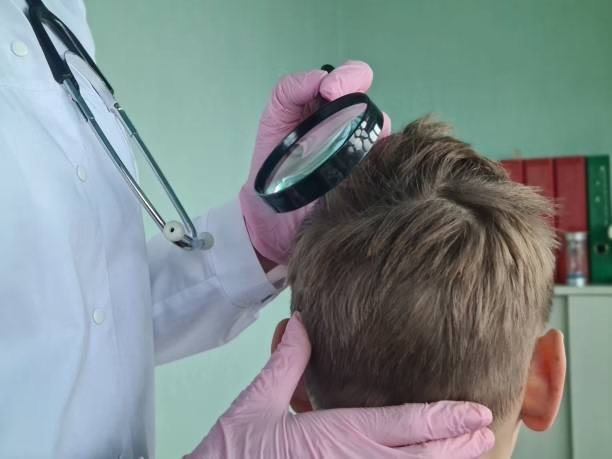
Balding at 17 can occur due to several underlying reasons. Understanding these triggers helps in early diagnosis and timely treatment. The most common causes include:
- Genetics (Male Pattern Baldness)
The leading cause of teenage balding is androgenetic alopecia, a hereditary condition. If early hair loss runs in the family – father, grandfather, or even maternal relatives, teens may start experiencing thinning much earlier.
- Hormonal Fluctuations
Adolescence is a period of intense hormonal changes. Increased levels of DHT (dihydrotestosterone) can shrink hair follicles, especially in individuals who are genetically predisposed.
- Stress & Academic Pressure
Exams, peer pressure, emotional stress, and lifestyle imbalance can trigger telogen effluvium, a temporary form of shedding. Sudden, diffuse hair loss is often seen after stressful phases.
- Nutritional Deficiencies
Teens often skip meals, follow restrictive diets, or consume fast food frequently. Deficiencies in iron, vitamin D, zinc, and proteins directly impact hair strength and growth.
- Medical Conditions
Certain health issues such as:
- Thyroid disorders
- Severe infections
- Autoimmune conditions like alopecia areata
…may also lead to early balding.
- Over styling & Harsh Hair Practices
Frequent use of:
- Heat styling tools
- Chemical treatments
can weaken hair shafts and contribute to breakage and thinning.
- Rapid Weight Loss or Crash Dieting
Sudden calorie deficit shocks the body into energy conservation mode, pushing hair into the shedding phase.
- Medications
Some acne treatments, hormonal medications, or long-term antibiotics can cause hair thinning as a side effect.
- Frequent Use of Hair Gel, Wax, or Styling Products
Heavy or daily application of hair wax, gel, pomade, or clay can:
- Clog hair follicles
- Trap dirt and oil on the scalp
- Cause inflammation
- Lead to hair breakage from stiffening products
Not washing styling products thoroughly can worsen scalp irritation and contribute to early thinning.
How to Stop Balding at 17
Here are the most effective ways to control and slow down hair thinning at this age:
- Get a Professional Diagnosis
Teenage balding can resemble normal shedding, so it’s important to visit a hair specialist. They may perform:
- Scalp examination
- Nutritional assessment
- Hormonal blood tests
- Family history evaluation
A clear diagnosis ensures the right treatment from the start.
- Correct Nutritional Deficiencies
Many teens experience hair loss due to a lack of essential nutrients. Improving intake of:
- Iron
- Vitamin D
- Biotin
- Zinc
- Protein
supports stronger hair growth and reduces breakage.
- Adopt Gentle Hair Care Habits
Avoid anything that strains the hair:
- No harsh chemical treatments
- Use mild, sulfate-free shampoos
Reducing hair stress prevents additional shedding.
- Medical Treatments (If Recommended by a Specialist)
Under expert supervision, teens may benefit from:
- Topical treatments that strengthen hair follicles
- Oral supplements to address internal deficiencies
- Advanced therapies like PRP (Platelet-Rich Plasma), which can boost follicle activity
These should only be used after a doctor’s evaluation.
- Manage Stress and Sleep Patterns
Teenagers often undergo hormonal fluctuations amplified by stress. Chronic stress increases cortisol, which can trigger or worsen hair thinning. Proper sleep, mindfulness practices, exercise, or routine breaks help regulate hormonal balance.
- Treat Underlying Scalp Conditions
Issues like dandruff, seborrheic dermatitis, fungal infections, or psoriasis can accelerate hair loss at 17. Early treatment ensures a healthy scalp environment for follicles to grow.
- Avoid Steroid-Based Gym Supplements
Many teenage boys begin gym training and unknowingly consume steroid-laced supplements, which can trigger severe hair thinning. Avoid unverified or muscle-boosting supplements.
When to Consult a Surgeon

A consultation becomes essential if:
- Hair loss worsens despite lifestyle changes or home remedies
- You notice visible scalp thinning within weeks or months
- Hairline recession progresses quickly
- There are symptoms like itching, redness, or excessive dandruff
- Stress, nutritional deficiencies, or medical conditions are suspected
- You feel emotionally distressed due to the change in appearance
Meeting a qualified specialist can help determine the root cause through scalp analysis, hormonal evaluation, and individualized treatment planning.
Conclusion
Experiencing balding at 17 in males can feel overwhelming, but early awareness and timely intervention can make a significant difference. Most teenage hair loss is treatable when addressed at the right stage. Identifying symptoms early, adopting healthier habits, and seeking professional guidance can help slow down or even reverse the progression.
For teen males dealing with noticeable thinning, bald patches, or persistent shedding, expert evaluation becomes essential. With extensive experience in hair restoration and scalp health, Dr. Viral Desai offers personalized, evidence-based solutions tailored to young patients. His approach focuses on identifying the root cause and restoring confidence through the safest and most effective treatments.
Taking action early is the best way to protect long-term hair health and prevent further loss—because the sooner the concern is addressed, the better the outcomes.