

Experiencing pain in breast 1 year after breast reduction can be confusing, especially when most healing happens within the first few months. While many individuals enjoy long-term comfort after the procedure, some may still notice occasional discomfort, sensitivity, or changes in sensation even a year later.
When the procedure is performed by an experienced specialist like Dr. Viral Desai, one of a renowned cosmetic and plastic surgeon in Mumbai, the healing journey is smoother and long-term complications are greatly reduced. His extensive expertise in breast surgery makes him a trusted choice for patients seeking safe techniques and natural, lasting results.
Doctor says:
“If you are experiencing late-onset pain a year after breast reduction, it’s important not to panic—most causes are manageable and often benign.”
Let’s understand this better…
What Causes Breast Pain One Year After Reduction Surgery?

Breast pain a year after breast reduction surgery can occur for several reasons. While many patients heal fully by this time, some lingering sensations are still possible. Common causes include:
Nerve Regeneration
As nerves continue to heal, you may experience tingling, sharp zaps, or sensitivity. This is usually harmless and part of the natural recovery process.
Residual Inflammation
Deep tissues can take a long time to settle. Mild internal inflammation may still cause occasional discomfort.
Scar Tissue Tightness
Internal scar tissue (fibrosis) can feel firm or tender, especially during stretching or certain activities.
Hormonal Changes
Monthly hormonal fluctuations may still cause breast soreness, even after surgery.
Weight Changes
Significant weight gain or loss can affect breast tissue and create new tension or discomfort.
Improper Bra Support
Wearing bras with insufficient support can strain healing tissues and contribute to pain.
Delayed Healing Conditions
Conditions like seroma, fat necrosis, or mild infections (though less common at one year) can still cause discomfort.
Which Signs Need Attention One Year After Breast Reduction?
While most discomfort is harmless, some symptoms require medical attention:
Persistent or Worsening Pain
If the pain is increasing instead of improving, it may indicate underlying issues.
Sudden Swelling or Redness
Could suggest inflammation or late-onset infection.
Hard Lumps or Unusual Thickening
May be due to fat necrosis or excessive scar tissue formation.
Asymmetrical Changes in Breast Shape or Size
Could indicate internal tissue shifting, seroma, or other complications.
Nipple Sensation Changes That Appear Suddenly
Late changes in sensation should be evaluated.
Discharge From the Nipple or Incision Areas
Always requires prompt medical assessment.
If any of these signs are present, timely consultation with your surgeon is recommended.
Aftercare Practices One Year After Breast Reduction
Even a year after breast reduction surgery, maintaining proper care can help minimize discomfort and support long-term breast health:
Monitor for Changes
Keep track of any new lumps, swelling, or unusual tenderness.
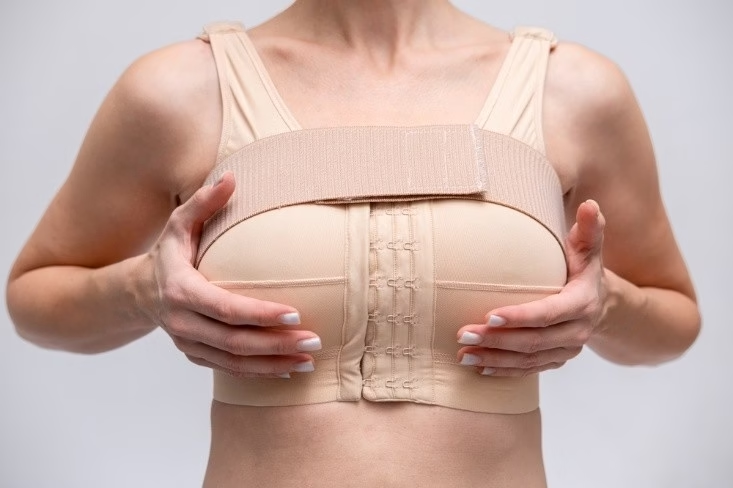
Supportive Bras
Continue wearing well-fitting, supportive bras to reduce strain on breast tissue.
Skin Care
Moisturize the breast area to prevent dryness or irritation.
Regular Self-Exams
Checking for any irregularities helps detect potential issues early.
Healthy Lifestyle
Balanced diet, hydration, and avoiding smoking support tissue healing and overall wellness.
Lifestyle Choices One Year After Surgery
Your daily habits play a significant role in maintaining comfort, appearance, and overall breast health following a breast reduction:
Maintain a Stable Weight
Fluctuations can affect breast shape and may contribute to discomfort.
Exercise Wisely
Engage in low-impact and supportive workouts; high-impact activities may require additional support.
Avoid Smoking
Smoking can affect tissue elasticity and healing, increasing the risk of complications.
Balanced Diet
Adequate nutrition supports tissue health and reduces inflammation.
Hydration
Staying well-hydrated promotes skin elasticity and overall recovery.
Stress Management
Chronic stress can affect hormonal balance and healing capacity.
Your daily habits play a significant role in maintaining comfort, appearance, and overall breast health following a breast reduction:
When to Consult a Surgeon

While most people enjoy a smooth recovery by the six-month stage, it’s important to stay attentive to your healing progress. You should consider consulting your surgeon if you notice any of the following:
Persistent or worsening pain that does not improve with over-the-counter measures
New lumps, swelling, or unusual firmness in the breast tissue
Significant asymmetry or changes in breast shape

Redness, warmth, or discharge from the incision area
Numbness or unusual sensations that affect daily comfort
Conclusion
Experiencing some discomfort or sensitivity one year after breast reduction surgery can be normal, but persistent pain should never be ignored. Following proper aftercare, maintaining a healthy lifestyle, and monitoring changes in breast tissue are key to long-term comfort and aesthetics.
Under the guidance of an experienced surgeon like Dr. Viral Desai, one of a trusted cosmetic and plastic Surgeon in Mumbai, patients receive expert evaluation, personalized advice, and effective management strategies to ensure their breasts remain healthy, comfortable, and natural-looking long after surgery.
Frequently Asked Questions
1. Should I worry about a lump in my breast 1 year after reduction?
Not all lumps are serious, but you should get them evaluated to rule out fat necrosis or other breast conditions
2. Can hormonal changes cause breast pain even after breast reduction?
Absolutely. Hormonal fluctuations can still trigger tenderness or swelling.
3. Does weight gain after surgery cause breast pain?
Yes, weight changes may stretch breast tissue and cause discomfort.
4. How long do nerves take to heal after breast reduction?
Scars fade significantly and often become nearly invisible. They continue to mature for 12–18 months.
5. Can exercise cause pain 1 year after breast reduction?
High-impact exercises without proper support can lead to breast strain.