

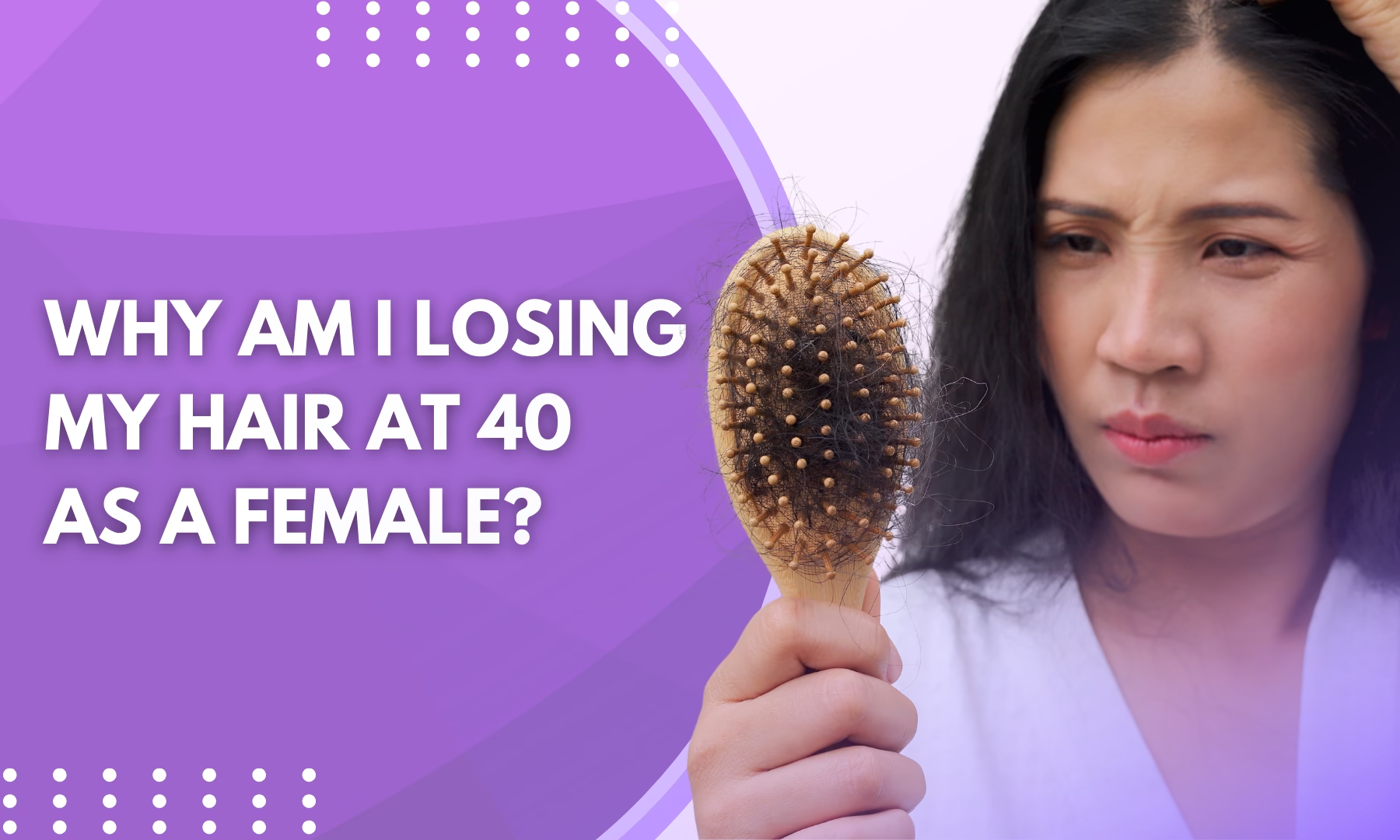
Many women are surprised and distressed when they begin noticing increased hair fall, thinning, or visible scalp in their early 40s. Questions like “Why am I losing my hair at 40 as a female?” are more common than ever, especially as hormonal, lifestyle, and metabolic changes start to show their impact on hair health.
Dr. Viral Desai, a renowned hair transplant surgeon in Mumbai, has worked extensively with women experiencing age-related hair thinning and understands that female hair loss at 40 is rarely due to a single cause; it’s often a combination of internal and external factors.
Dr. Viral Desai says:
“Hair loss in women around the age of 40 is commonly linked to hormonal fluctuations, nutritional deficiencies, and prolonged stress, and early evaluation plays a crucial role in preventing further thinning and preserving hair density.”
What Are the Common Causes of Hair Loss in Women at 40?
Two months after Botox, most patients experience the peak phase of results, where the treatment looks smooth, natural, and well-settled. At this stage, Botox has fully integrated into the targeted muscles, allowing facial expressions to appear relaxed without looking stiff or overdone.
Hormonal Changes
Fluctuations in estrogen and progesterone during perimenopause can shorten the hair growth phase, leading to thinning and increased shedding
Female Pattern Hair Loss (Androgenetic Alopecia):
Fluctuations in estrogen and progesterone during perimenopause can shorten the hair growth phase, leading to thinning and increased shedding
Nutritional Deficiencies
Low levels of iron, vitamin D, vitamin B12, zinc, or protein can weaken hair strands and slow regrowth.
Chronic Stress
Long-term emotional or physical stress can push hair follicles into the resting phase, causing noticeable hair fall months later.
Thyroid Disorders
Both hypothyroidism and hyperthyroidism can disrupt hair growth and contribute to diffuse thinning.
Medical Conditions & Medications
Conditions such as PCOS, autoimmune disorders, or the prolonged use of certain medications may accelerate hair loss.
Lifestyle Factors
Poor sleep, crash dieting, smoking, and lack of exercise can impair scalp circulation and overall hair health.
Identifying the exact cause early allows for targeted treatment and better long-term outcomes for women experiencing hair loss at this age.
How Do Hormonal Changes at 40 Affect Hair Growth?
Hormonal fluctuations play a significant role in hair changes experienced by women in their 40s. As the body transitions into perimenopause, subtle yet impactful shifts in hormone levels begin to influence the hair growth cycle.
Decline in Estrogen Levels
Estrogen helps keep hair in its active growth (anagen) phase. As levels drop, hair grows more slowly, becomes finer, and sheds more easily.
Relative Increase in Androgens
Even if androgen levels remain stable, lower estrogen can make male hormones more dominant, leading to thinning especially around the crown and parting.
Shortened Hair Growth Cycle
Hormonal imbalance can cause hair follicles to spend less time growing and more time in the shedding phase, resulting in reduced hair volume over time.
Reduced Scalp Circulation
Hormonal changes can affect blood flow to the scalp, limiting the supply of nutrients and oxygen essential for healthy hair follicles.
Increased Hair Fragility
Hormonal shifts may reduce natural oils, making hair drier, more brittle, and prone to breakage.
Together, these changes explain why many women notice progressive thinning rather than sudden hair loss at 40. Early medical evaluation can help stabilise hormones and protect existing hair density.
Can Stress and Lifestyle Trigger Hair Loss at This Age?
Yes, stress and lifestyle factors can significantly contribute to hair loss in women in their 40s. At this stage of life, the body becomes more sensitive to internal and external stressors, which can directly disrupt the hair growth cycle.
Chronic Stress
Ongoing emotional or psychological stress can push hair follicles into the resting phase (telogen effluvium), leading to noticeable shedding a few months later.
Sleep Deprivation
Poor sleep affects hormone regulation and cellular repair, both of which are essential for healthy hair growth.
Nutritional Gaps
Busy routines, skipped meals, or restrictive diets can result in deficiencies in iron, protein, vitamin D, and B-complex vitamins key nutrients for hair strength.
Sedentary Lifestyle
Reduced physical activity can impact blood circulation, including to the scalp, limiting nutrient delivery to hair follicles.
Excessive Styling or Chemical Use
Frequent heat styling, colouring, or chemical treatments can weaken hair shafts, making thinning appear worse.
Weight Fluctuations
Sudden weight loss or repeated dieting can shock the system and trigger temporary but intense hair shedding.
Yes, stress and lifestyle factors can significantly contribute to hair loss in women in their 40s. At this stage of life, the body becomes more sensitive to internal and external stressors, which can directly disrupt the hair growth cycle.
What Treatments Can Help Manage Hair Loss in Women at 40?
Managing hair loss in women at 40 requires a personalised, multi-pronged approach that targets the underlying causes rather than just the visible thinning. With timely intervention, it’s often possible to slow progression and improve hair density.
Medical Evaluation & Blood Tests
Identifying hormonal imbalances, iron deficiency, thyroid issues, or vitamin deficiencies is the first step toward effective treatment.
Topical Treatments
Clinically proven topical solutions, such as minoxidil, can help stimulate dormant hair follicles and extend the growth phase of hair.
Oral Medications & Supplements
Based on medical advice, supplements containing iron, biotin, zinc, and vitamin D can support hair strength and regrowth. Hormone-related hair loss may require tailored medical therapy.
Advanced Regenerative Therapies
Treatments like Platelet-Rich Plasma (PRP) therapy and exosomes improve scalp circulation and follicle activity, making them particularly beneficial for age-related thinning.
Low-Level Laser Therapy (LLLT)
Non-invasive laser treatments can enhance cellular activity in hair follicles and support long-term hair maintenance.
Lifestyle & Stress Management
Improving sleep, reducing stress, maintaining a protein-rich diet, and adopting gentle hair care practices play a vital supportive role.
Lifestyle factors
Stress, intense workouts, and smoking can impact how quickly Botox wears off
Hair Transplant Surgery
For women with stable hair loss and significant thinning, surgical restoration may be considered as a long-term solution after thorough evaluation.
Dr. Viral Desai, recognised as one of the best plastic surgeons in Mumbai, emphasises that early intervention dramatically improves outcomes in female hair loss.
When to Consult a Surgeon
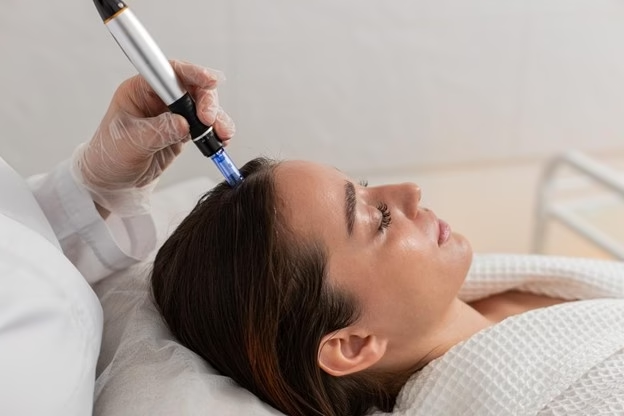
You should consider consulting a specialist if:
- Hair thinning is visibly progressing over 6–12 months
- Your scalp is becoming more visible along the crown or part line
- Medical treatments are no longer improving density
- Hair fall is affecting confidence and emotional well-being
- There is a family history of advanced hair loss
An expert evaluation helps determine whether medical management is sufficient or if surgical restoration is the right next step.
Conclusion
If you’ve been asking yourself “Why am I losing my hair at 40 as a female?”, the answer lies in understanding that this phase of life brings real biological changes but hair loss does not have to be inevitable.
With timely diagnosis, lifestyle correction, and expert-guided treatment, women can preserve and even restore their hair successfully. Consulting an experienced specialist like Dr. Viral Desai ensures solutions that are safe, scientific, and tailored to female hair biology.
Frequently Asked Questions
1. Is hair loss at 40 normal for women?
Yes, it’s common due to hormonal changes, but it should not be ignored.
2. Are medical treatments effective for hair loss in women at 40?
Yes. Depending on the cause, treatments such as topical therapies, PRP, nutritional correction, and advanced regenerative options can significantly improve hair density.
3. Does menopause directly cause hair loss?
Hormonal shifts during perimenopause and menopause play a major role.
4. Can nutritional deficiencies cause hair loss in women over 40?
Yes. Low iron, vitamin D, B12, protein, and zinc levels are common in women at this age and can directly weaken hair follicles if left unaddressed.
5. Can hair styling habits worsen hair loss at 40?
Frequent heat styling, tight hairstyles, chemical treatments, and harsh products can accelerate breakage and make thinning appear more severe.