

Hair Transplant Results Timeline in Mumbai
Undergoing a Hair Transplant in Mumbai is a transformative decision but transformation takes time. One of the most common questions patients ask is: “When will I see results?” Understanding the Hair Transplant Results Timeline helps you stay patient, set realistic expectations, and protect your investment in the procedure.
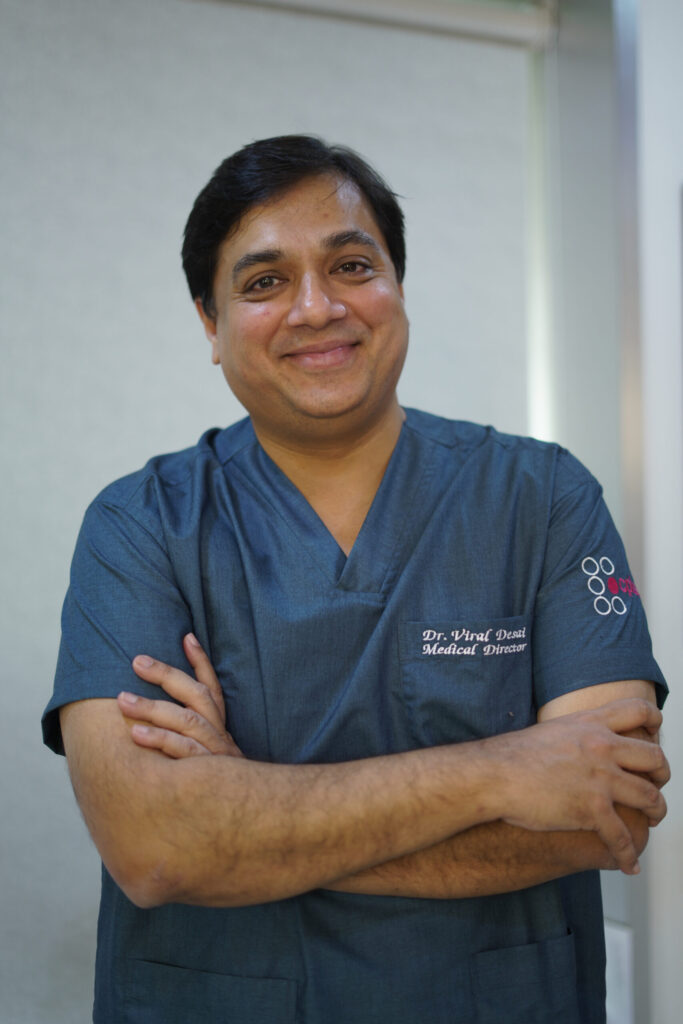
As a renowned Cosmetic and Plastic Surgeon in Mumbai, Dr. Viral Desai brings over two decades of clinical expertise to hair restoration. He is the pioneer of the NHDT ™ (Natural High Density Hair Transplant), a proprietary method that ensures transplanted hair mimics the natural growth pattern of your original hair. Developed and perfected by Dr. Desai himself, NHDT ™ is the world’s most advanced hair restoration technique and it is exclusively available at his CPLSS Clinic in Mumbai. With thousands of successful hair transplants performed across Mumbai and beyond, Dr. Desai’s outcomes speak for themselves.
Dr. Viral Desai says,
“Patients often expect to walk out of the clinic with a full head of hair. I always tell them the procedure to plant the seeds, but nature does the growing. Patience is your most powerful post-operative tool. By the 12-month mark, the transformation is genuinely remarkable.”
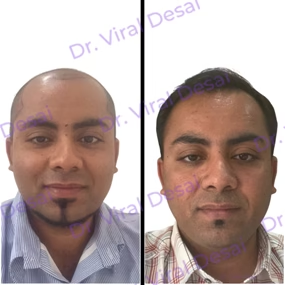
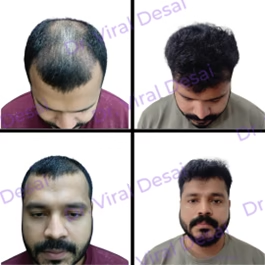
Hair Transplant Results Timeline: A Stage-by-Stage Guide
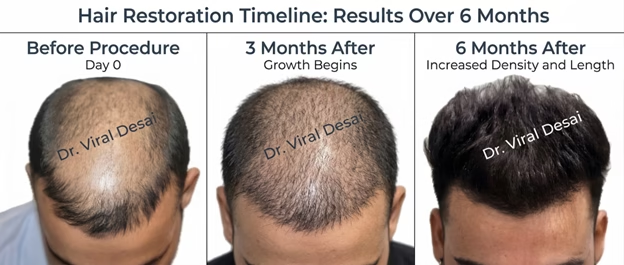
The Hair Transplant Results Timeline in Mumbai follows a predictable biological pattern. Here is what you can expect at each stage of your recovery and growth journey.
0–7 DAYS
Immediate Post-Procedure Recovery
In the first week after your Hair Transplant in Mumbai, the scalp may appear red and slightly swollen. Tiny scabs form around each transplanted graft — this is completely normal and part of the healing process. Dr. Desai’s team provides a detailed aftercare kit and washing protocol to ensure grafts remain undisturbed. Patients who undergo NHDT ™ typically experience less swelling and minimal scabbing compared to conventional techniques, thanks to the method’s refined and precise approach to graft placement. Avoid direct sun exposure, strenuous activity, and touching the recipient area during this period.
2–4 WEEKS
Between weeks 2 and 4, most patients experience what is known as “shock loss” — the transplanted hair shafts shed. This alarms many first-time patients, but it is a natural and expected part of the Hair Transplant Results Timeline. The hair follicles themselves remain intact beneath the scalp. Shedding only affects the hair shaft, not the root. New growth will begin from these same follicles in the coming months.
1–3 MONTHS
Dormant / Resting Phase
Months 1 through 3 are often referred to as the “silent period.” The transplanted follicles are in a resting (telogen) phase as they anchor themselves firmly in their new location. There may be little to no visible change, and some patients grow impatient during this stage. Rest assured — the groundwork for healthy, permanent hair growth is actively being laid beneath the surface.
3–5 MONTHS
First Signs of New Growth
This is the phase most patients eagerly await. Around months 3–5, fine, wispy strands of new hair begin to emerge from the transplanted follicles. The hair may initially appear thin and slightly curly — this is normal. As the follicles mature, the texture will normalize. With NHDT’s ™ superior graft survival rate of above 98%, Dr. Desai’s patients can expect a higher proportion of follicles to enter this active growth phase, setting the stage for a fuller, more consistent result. This early growth signals that the procedure has been a success.
5–8 MONTHS
Accelerated Growth and Coverage
The hair growth rate accelerates noticeably between months 5 and 8. Density improves steadily, and the previously sparse areas begin showing meaningful coverage. Most patients report a significant boost in confidence during this phase. The hairline becomes more defined, and the results of Dr. Desai’s precise graft placement start to become clearly visible.
8–12 MONTHS
Major Transformation and Density
By months 8 to 12, the majority of transplanted hair is fully active in its growth cycle. Thickness, texture, and density all improve substantially. The transplanted hair now closely resembles the surrounding natural hair in appearance and behaviour. This is when the hallmark of NHDT ™ truly shines, the meticulous attention to graft angulation and directional placement by Dr. Desai ensures that the final density looks indistinguishable from naturally grown hair. This is typically when patients begin sharing their before-and-after photographs.
12–18 MONTHS
Final Results — Full Hair Restoration
The final, complete results of your hair transplant become fully apparent between 12 and 18 months. The transplanted hair has matured, darkened to its natural color, and achieved maximum density. The outcome at this stage is permanent and completely natural-looking. A final review with Dr. Viral Desai allows for assessment and, if needed, discussion of any further enhancement sessions.
Factors That Influence Your Hair Transplant Results
The timeline above is a general guide, but individual results can vary. Several factors determine how quickly and how fully you see results after your procedure.
Post-Operative Care
Genetics & Hair Quality
Nutrition & Lifestyle
Surgeon’s Technique
Read More..
Sun & Scalp Protection
Age & Hormonal Health
Recovery and Aftercare After Hair Transplant in Mumbai
Day 1–3: Gentle Scalp Care
Day 4–10: First Hair Wash
Week 2–3: Activity Restrictions
Month 1–3: Sun & Heat Protection
Prescribed Medications
Follow-Up Appointments
Why Choose Dr. Viral Desai for Hair Transplant in Mumbai?
Dr. Viral Desai is a highly respected Cosmetic and Plastic Surgeon in Mumbai with over two decades of experience in aesthetic and reconstructive procedures. Renowned for his expertise in advanced, cutting-edge techniques, he is committed to delivering safe, natural-looking, and refined results. His distinguished portfolio of celebrity clients reflects his exceptional skill, precision, and dedication to excellence.
Dr. Viral Desai offers a comprehensive range of hair transplant procedures and treatments, both surgical and non-surgical, tailored to individual needs and aesthetic goals. He offers FUE, FUT, and NHDT ™ techniques, carefully selected and customized according to each patient’s hair loss pattern and desired outcomes. With over 10,000 successful hair transplants, he is widely regarded as a trusted specialist in hair restoration in Mumbai. His state-of-the-art CPLSS Clinic is equipped with advanced technology and modern infrastructure, ensuring the highest standards of care, safety, and patient comfort.
Associations
Dr. Viral Desai is an active member of several prestigious professional organizations, demonstrating his commitment to continuous learning, innovation, and maintaining the highest standards in the field of cosmetic and plastic surgery.
Fill the form below to book an appointment