

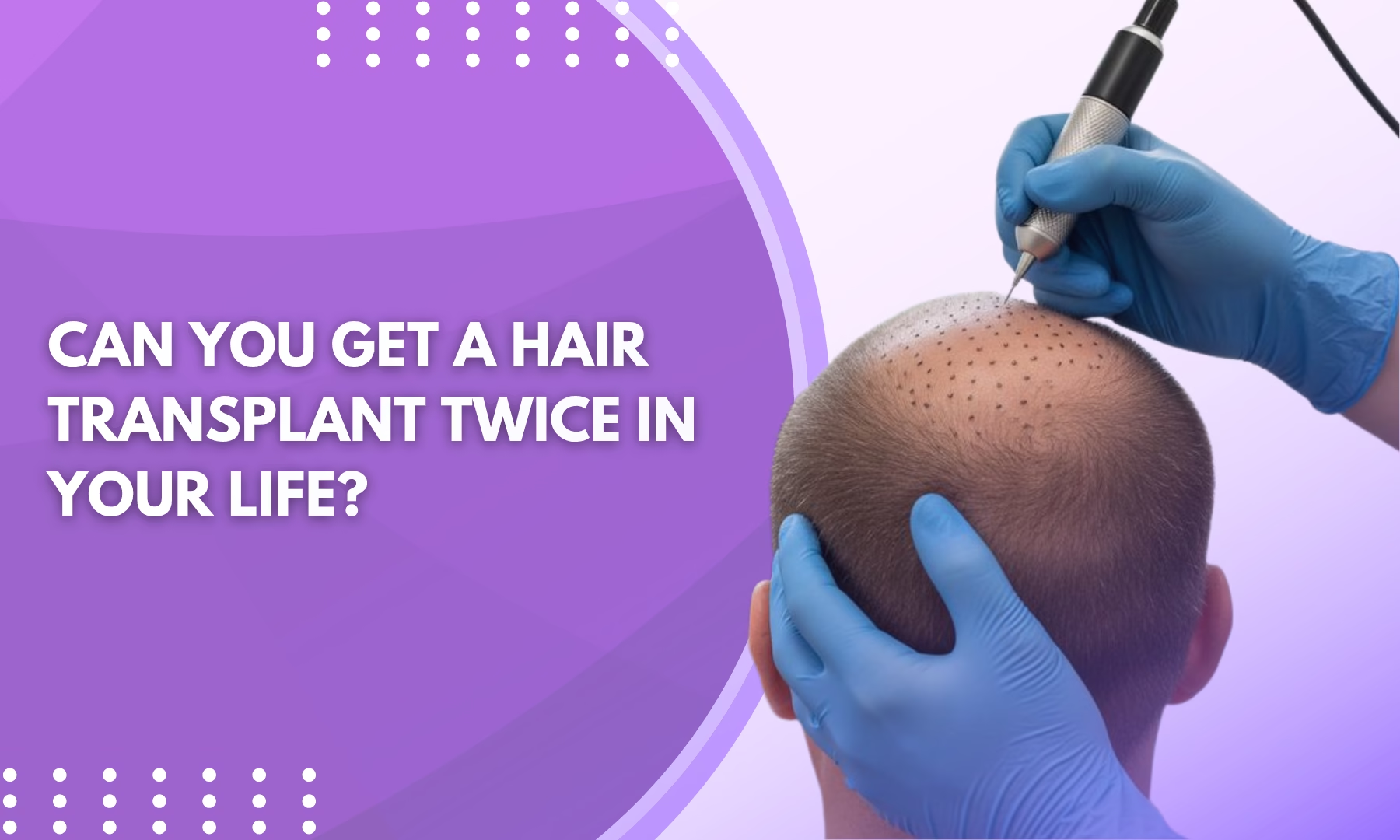
Yes, you can have a hair transplant twice or even more, with two or three sessions being relatively common. A second procedure is usually done 12 to 18 months after the first to increase density, address ongoing hair loss in new areas, or improve upon initial results. The limiting factor is having sufficient healthy donor hair available, and consulting an experienced hair transplant surgeon in Mumbai helps determine candidacy for repeat procedures.
According to Dr. Viral Desai, a board-certified cosmetic and plastic surgeon,
“Hair transplants provide lasting restoration, but some patients develop new areas of thinning as pattern baldness progresses with age or hormonal shifts trigger further follicle miniaturization, which is where a second procedure becomes relevant for maintaining density and coverage over time.”
Not Sure Which Option Fits Your Hair Loss Stage?
Book a one-on-one consultation with Dr. Viral Desai. He’ll assess your donor area, hair loss pattern, and lifestyle to recommend the right path — surgical, non-surgical, or a combination.
Why Would Someone Need a Second Hair Transplant?
Honestly, it varies a lot depending on your age, genetics, and what you were hoping for in the first place.
- Hair loss doesn’t pause: If you got your transplant in your late 20s or early 30s, there’s a pretty good chance your natural hair kept thinning in untreated zones while the transplanted grafts stayed put, so you end up with this uneven look where the transplant held but everything around it receded, and yeah, that calls for touch-up work.
- You want it thicker: Sometimes the first session gives you decent coverage but the density isn’t where you pictured it, especially up front or in the crown, because surgeons often spread grafts strategically rather than packing them in, and if you’re someone who wants that fuller, denser appearance, a second pass fills in those micro-gaps.
- Hairline tweaks: Maybe the original hairline works fine functionally but you’re not totally happy with the shape or softness, or you want it brought down a bit to better frame your face, and a second procedure can refine those details in ways the first session didn’t prioritize.
- Fixing visible work: If the first transplant left obvious plugs, a hard hairline, or noticeable scarring in the donor strip, round two can redistribute grafts to soften things and make it look way more natural, because not every surgeon nails the aesthetic the first time.
If new thinning’s crept in since your first transplant, getting a hair transplant consultation sorted out now beats waiting until the contrast gets worse.
What Determines If You Can Get a Second Transplant?

Not everyone qualifies, and the screening gets pretty granular.
- How much donor you burned through: Your donor zone isn’t infinite, there’s only so many grafts back there, so if the first surgery already harvested heavily or your hair quality in that region is borderline, you might not have the reserve needed for another extraction, and pushing it anyway risks a see-through donor area that looks worse than the bald spot you’re trying to fix.
- Scalp flexibility: FUT requires enough laxity to stretch the scalp closed after cutting the strip, and if your first FUT tightened things up, doing it again might not be realistic unless the surgeon switches you to FUE, which punches out individual follicles instead of taking a whole strip, but even FUE has limits if you’ve already been heavily harvested.
- How you healed: Some people scar thick, some lose grafts at higher rates, and if your scalp showed complications the first time, your surgeon’s going to be cautious about doing it again, because repeating a procedure that didn’t heal cleanly the first time compounds the risk rather than solving it.
- Your expectations match reality: A second transplant won’t bring back teenage density, what it does is strategically place what you’ve got left to maximize coverage, and people who go in understanding that tend to come out satisfied, whereas folks expecting a full head of 18-year-old hair usually end up disappointed no matter how well the grafts take.
Our write-up on long-term hair transplant results walks through what happens a decade out, which helps if you’re trying to gauge whether doing it again is worth it.
Why Choose Dr. Viral Desai ?
Dr. Viral Desai brings 24 years of experience in hair restoration with over 10,000 hair transplant procedures completed, fellowship training at Singapore General Hospital, and expertise in the advanced NHDT (No-Shave Hair Transplant) method that allows for discreet recovery, and this depth of clinical experience is evident in how cases are managed from initial consultation through final results. What patients consistently report is the thorough explanation of donor supply capacity and whether a second session is clinically viable, rather than recommending procedures when the available grafts do not support optimal outcomes.
Frequently Asked Questions
Can I get a second hair transplant in the same area?
Yeah, if there’s donor left and your scalp healed clean the first time.
How long should I wait between transplants?
Give it 12 to 18 months minimum so the first round fully grows in.
Will a second transplant damage my existing hair?
Not if it’s done right. Good surgeons work around established grafts carefully.
Does the second transplant heal faster than the first?
Healing takes about the same time, though you’ll feel less anxious because you know the drill.