

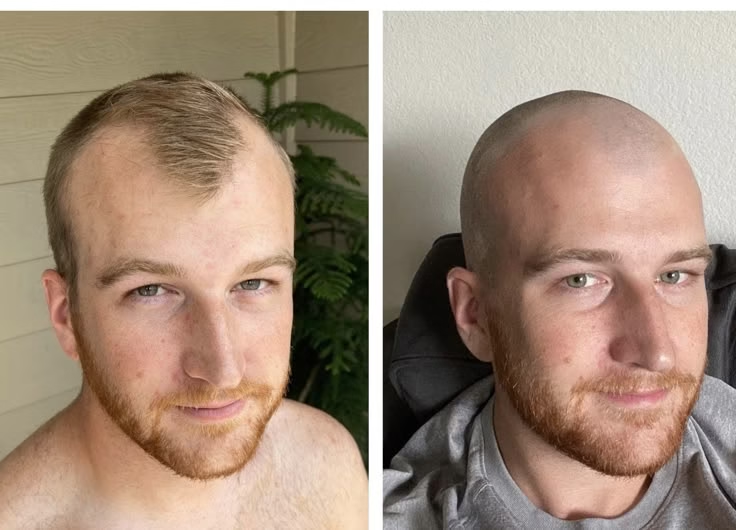
Baldness is typically a mix – genetics, hormones like DHT or estrogen going haywire, not eating right, chronic stress, some medical issue, wearing tight hairstyles too often, environmental crap, medications messing with your system, or just getting older and your follicles slowing down. People keep looking for that one magic reason but it almost never works that way, you need proper diagnosis because throwing random treatments at it rarely helps, catch it early though and your chances are way better before follicles completely check out.
According to Dr. Viral Desai, Hair Transplant Surgeon in Mumbai,
“Most patients I see have been ignoring the signs for years – thinning hair, brittle strands, scalp getting sensitive. It’s rarely just genetics, usually it’s hormones out of whack mixed with bad nutrition, stress, maybe thyroid problems nobody caught. Fix the actual problem instead of buying miracle products and you’ll keep what you’ve got while actually giving regrowth a fighting chance.”
Causes of Baldness
1. Genetics and Hereditary Factors
Baldness runs in families because your follicles are literally programmed to freak out over DHT, androgenic alopecia hits half the guys by 50 and about 40% of women by menopause. Your follicles don’t just die though, they shrink slowly over months or years making thinner, weaker hairs until they eventually give up, getting on medications early or doing FUE hair transplant in Mumbai beats waiting till they’re totally dead.
2. Hormonal Imbalances
Too much DHT shrinks follicles at your hairline and crown if you’re a guy, women get hit with dropping estrogen during pregnancy recovery, menopause, PCOS which speeds everything up, thyroid issues completely wreck the growth cycle making hair weak and breakable. Blood test checking TSH, T3, T4 figures out thyroid stuff and balancing hormones often stops it from getting worse without surgery, sometimes you dodge transplant entirely if you catch hormone problems fast enough.
3. Nutritional Deficiencies
Your hair needs protein, iron, zinc, biotin, vitamin D but tons of women are low on iron from heavy periods or eating too restrictive, it literally chokes follicles by cutting oxygen which triggers telogen effluvium – that’s doctor speak for your hair falling out everywhere. Zinc helps repair tissue around follicles and biotin builds keratin but popping supplements won’t fix genetic baldness, only helps if you’re actually deficient, eating lean protein, greens, nuts, eggs covers most of it. Blood work shows deficiencies and targeted supplements can bring hair back in 3-6 months.
4. Chronic Stress
Long-term stress shoves follicles into early shedding but you won’t see it right away since hair loss shows up 2-3 months after whatever stressed you out – surgery, getting sick, grief, barely sleeping. Cortisol wrecks the growth cycle and inflames your scalp, silver lining is stress shedding usually fixes itself and once cortisol chills out regrowth starts though it takes 6-12 months to see full recovery, sometimes longer if the stress was really bad.
5. Medical Conditions
Alopecia areata is your immune system literally attacking your own follicles making round bald spots, scalp infections like ringworm cause red scaly patches with broken hairs while lupus or autoimmune stuff can scar follicles permanently from inflammation. Random bald spots, red scalp, flaking, pain? Get to a dermatologist fast because scarred follicles are done, you can’t bring them back once scarring sets in.
6. Tight Hairstyles and Traction Alopecia
Pulling your hair tight constantly with ponytails, braids, buns, extensions gradually rips follicles out of your scalp and your hairline plus temples take the worst hit, early warning signs are tenderness, redness, little bumps around follicles, baby hairs snapping off. Catch it early by switching to looser styles and follicles bounce back but ignore it and the damage sticks, you’ll end up with a hairline that won’t grow back.
7. Environmental Factors
UV rays break down protein in hair making it brittle, pollution dumps on your scalp clogging follicles and causing oxidative stress, hard water leaves mineral buildup coating hair making it dull, dry, snaps easier. Chlorine from pools or harsh shampoos adds to thinning and honestly most people have no clue how much daily environmental damage their hair takes, wearing hats, leave-in conditioner, antioxidant stuff shields against all this.
8. Medication Side Effects
Chemo kills fast-dividing cells including hair follicles causing sudden widespread loss, blood thinners like warfarin, antidepressants, beta-blockers, retinoids, seizure meds can trigger telogen effluvium while steroids jack up DHT levels speeding genetic baldness if you’re already prone to it. Never quit your meds without asking your doctor though because switching drugs usually fixes it without messing up your treatment.
9. Age-Related Hair Thinning
Getting older slows your hair growth cycle down, growth phase gets shorter, follicles make weaker hairs, overall you’ve got less density and it’s just natural aging usually kicking in around 30s, way more obvious after 50. Can’t stop aging but you can keep your scalp healthier through good nutrition, scalp massage, stuff like PRP hair treatment in Mumbai or GFC hair treatment wakes up sleeping follicles and holds onto whatever density you’ve still got.
Why Choose Dr. Viral Desai for Hair Loss Treatment?
Dr. Viral Desai’s a board-certified Plastic and Cosmetic Surgeon (M.Ch., D.N.B.) with 15+ years doing advanced hair restoration, he specializes in FUE and FUT using NHDT (No Hair Damage Transplant) method for max graft survival and results that actually look natural. He mixes surgical work with non-surgical stuff like PRP, GFC, exosome therapy, laser treatments customized to whatever’s causing your specific hair loss, whether it’s genetic, hormonal, or post-stress shedding.
Frequently Asked Questions
Can baldness be completely reversed?
Depends on the cause – genetic baldness can be managed with meds or transplant but stress or nutrition-related shedding usually reverses once you fix what’s causing it.
Are over-the-counter hair growth products effective?
Minoxidil and finasteride work because they’ve got real clinical data but most serums and supplements are just marketing hype, see a dermatologist before wasting money.
How do I know if my hair loss is genetic or hormonal?
Genetic loss follows a pattern (receding hairline, gradual thinning) while hormonal issues come with other symptoms like period problems, weight changes, fatigue – blood work sorts it out.
Can stress cause permanent baldness?
Acute stress shedding is temporary but chronic stress can trigger alopecia areata which might become long-term, managing stress matters especially if baldness runs in your family.
What should I do if I notice sudden hair loss?
See a dermatologist immediately because sudden loss with pain, redness, or bald patches could signal infection, autoimmune issues, or severe deficiency that needs quick treatment.