

Yes, extreme or chronic stress can cause significant hair loss that may lead to hair transplant consideration in severe cases. While stress-related hair loss (telogen effluvium) is typically temporary and regrows once stress drops, severe or chronic stress can trigger telogen effluvium or worsen androgenetic alopecia, and in rare cases where stress has caused prolonged follicle damage or accelerated pattern baldness, surgical intervention becomes necessary, though consulting an experienced hair transplant surgeon in Mumbai helps determine if your hair loss is truly stress-related or permanent.
According to Dr. Viral Desai, a board-certified cosmetic and plastic surgeon,
“Stress shoves follicles into sleep mode way earlier than normal, massive shedding hits two or three months after whatever horrible event you went through, but here’s the thing, those follicles aren’t dead they just paused temporarily and usually fire back up within six to twelve months making transplants unnecessary unless stress basically exposed pattern baldness you had hiding underneath all along.”
Not Sure Which Option Fits Your Hair Loss Stage?
Book a one-on-one consultation with Dr. Viral Desai. He’ll assess your donor area, hair loss pattern, and lifestyle to recommend the right path — surgical, non-surgical, or a combination.
Why Stress Hair Loss Usually Doesn't Need Surgery?
Most times your follicles recover without anyone touching them.
- Roots don’t die from stress: Stress puts follicles on pause, doesn’t kill them. The machinery’s still sitting under your skin just stopped making hair temporarily, so once you calm down or your body adapts or whatever was crushing you finally ends, those same follicles start pumping hair again without a surgeon doing anything.
- Shedding phase ends by itself: Telogen effluvium, medical term for stress hair loss, doesn’t last forever. Three to six months you’re gonna shed like crazy, totally normal even though it freaks you out completely, then shedding drops back to regular amounts once stress hormones settle and follicles remember they’re supposed to grow hair not sleep.
- New hair shows up without help: Six to nine months after your stressful period wraps, fresh hair pokes through. Starts like baby fuzz then thickens over months until it matches what you had before, whole problem fixes itself if you just wait and don’t panic and maybe handle stress better going forward.
- Transplanting wastes grafts: Why transplant new follicles into spots filling back naturally anyway, that burns donor area for zero reason. You’d be grabbing permanent grafts from your head’s back and dropping them in temporary bald patches that won’t even be bald in six months, makes absolutely no sense whatsoever.
If you’re losing tons of hair but only two or three months passed since your big stressful event, grabbing a hair transplant consultation confirms you’ve got temporary telogen effluvium not something worse before thinking about surgery.
When Does Stress Hair Loss Actually Need a Transplant?
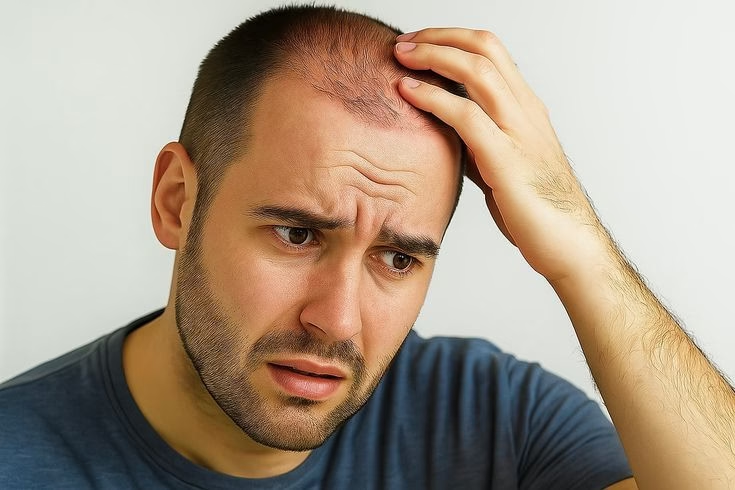
Some situations flip what should be temporary into permanent damage.
- Stress never stops: Stuck in high-stress mode for years like a nightmare job you can’t escape or family chaos that never ends or chronic pain issues, follicles get stuck in shutdown too long. When telogen effluvium drags past 12 months it damages follicles permanently, they shrink or quit making thick hair entirely, creates thinning that won’t bounce back even if stress finally drops.
- Stress triggered pattern baldness early: Some people carry pattern baldness genes that were activating eventually anyway, massive stress just triggers it way earlier than natural timing. Stress doesn’t create baldness it hits the gas on something programmed in your DNA from birth, once pattern baldness starts it doesn’t reverse when you calm down, only permanent fix is transplants.
- Autoimmune stuff got activated: Really bad stress flips your immune system against your own follicles, that’s alopecia areata. If autoimmune attack keeps going long enough or creates scarring type alopecia, those follicles die permanently, leaves bald spots that never fill naturally, transplants are only option once doctors control autoimmune stuff with meds.
- Hair pulling became compulsion: Stress makes some folks start yanking their own hair, trichotillomania it’s called. Keep pulling same spots for years you physically wreck those follicles, repeated trauma scars them so bad they can’t grow hair anymore, even if you totally stop pulling scarred areas need transplanted grafts cause natural regrowth isn’t happening.
Check our piece on long-term hair transplant results to see how transplants hold when you fix underlying problems first.
Why Choose Dr. Viral Desai ?
Dr. Viral Desai has done hair restoration 24 years and finished over 10,000 cases. Trained Singapore General Hospital, brought NHDT method to Mumbai, patients say best thing about him is he won’t push surgery unless hair loss is actually permanent. He’ll straight tell you if stress shedding just needs time and maybe meds instead of rushing you into transplant you probably don’t need.
Frequently Asked Questions
How long should I wait after stress before considering a transplant?
Minimum 12 months see if hair comes back naturally, sometimes need wait 18 months full recovery.
Can I get a transplant while I'm still super stressed?
Bad idea, ongoing stress makes both original hair and transplanted hair fall out from shock.
Will managing my stress stop the hair loss for good?
If just telogen effluvium yeah, but if stress triggered genetic pattern baldness that won’t reverse.
What works better than transplants for stress hair loss?
Minoxidil, stress therapy, biotin vitamins, PRP treatments, fixing whatever medical issues going on.