

Hair Transplant for Sensitive Skin in Mumbai
If your skin reacts to almost everything — a new soap, a new shampoo, even a different climate — the idea of getting a hair transplant probably feels a little intimidating. You’re not alone in that. A lot of people with sensitive skin assume hair transplants aren’t for them, or worse, that the procedure will leave them with rashes, redness, or worse breakouts than they started with. The truth is more reassuring.
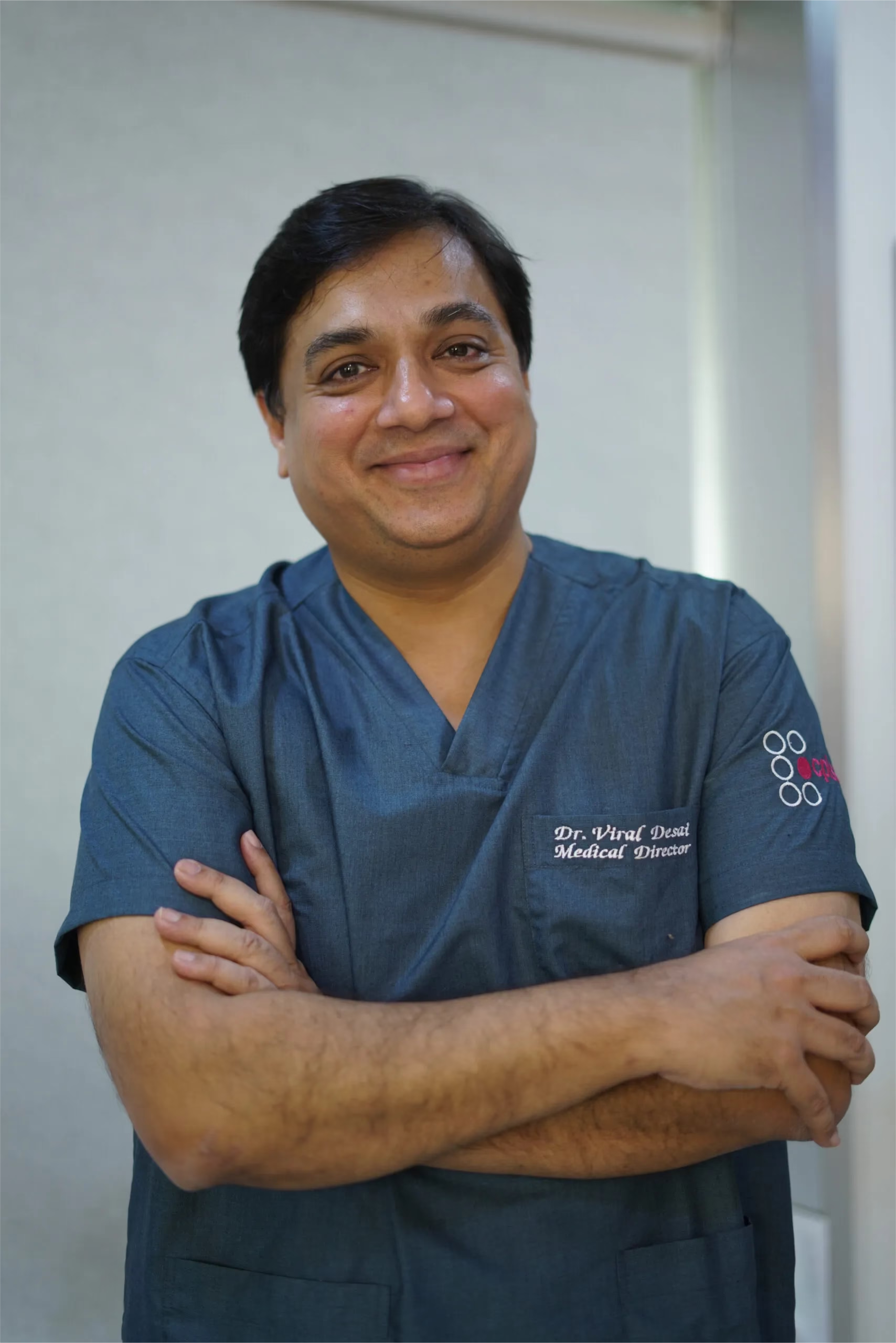
With the right surgeon, the right technique, and a clinic that genuinely understands how delicate skin behaves, a hair transplant in Mumbai is absolutely possible — even for someone whose scalp itches just thinking about it. Dr. Viral Desai, a celebrity hair transplant surgeon in Mumbai with over 20 years of experience, has handled thousands of cases where sensitive skin needed extra care. Here’s everything you should know before going ahead.
Understanding Sensitive Skin and Hair Transplants
Sensitive skin isn’t a single condition. It’s a category — a way of describing skin that reacts more strongly than usual to things most people don’t even notice. Some people break out from fragrances. Some get red patches when they’re stressed. Others have full-blown conditions like rosacea, eczema, contact dermatitis, or seborrheic dermatitis on the scalp itself.
When it comes to hair transplants, sensitive skin means a few things matter more than usual:
Healing might take slightly longer because the skin’s barrier is more reactive.
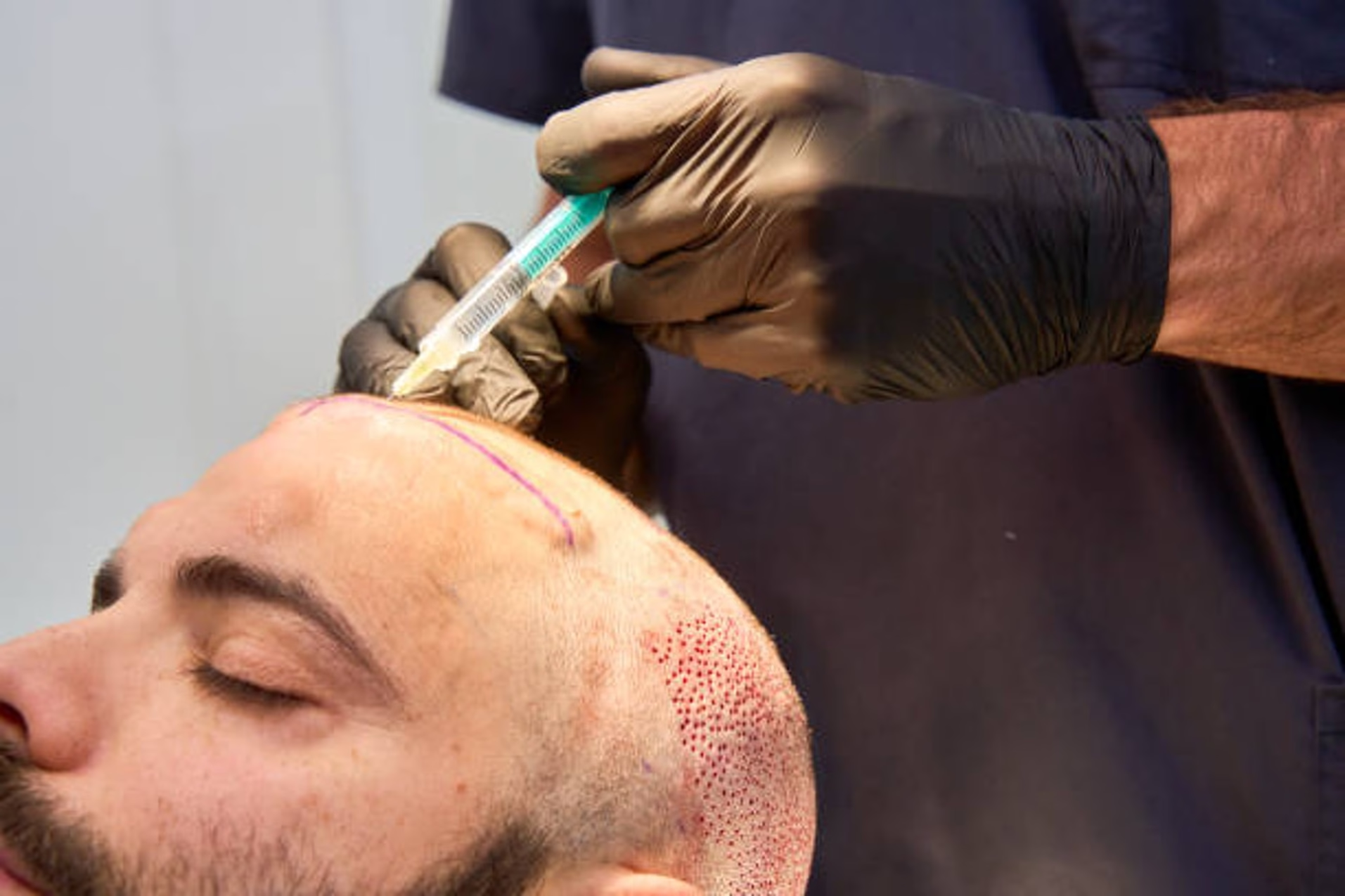
None of this means a transplant is off the table. It just means you need a hair transplant surgeon in Mumbai who treats sensitive cases regularly, rather than someone who treats every patient with the same checklist.
Causes of Hair Loss in People with Sensitive Skin
People with sensitive skin often experience hair loss for reasons that overlap with their skin issues. The scalp is, after all, just skin — and whatever affects the rest of the skin can affect the follicles too.
Some of the most common reasons:
Seborrheic dermatitis
that flaky, itchy, sometimes oily condition that inflames the scalp and weakens hair over time.
Scalp psoriasis
leads to scaly patches that can interfere with hair growth.
Contact dermatitis
caused by allergic reactions to hair products, dyes, or chemical treatments.
Folliculitis
inflammation of hair follicles, often due to bacteria, sweat, or product build-up.
Genetic pattern baldness
which can occur alongside any of the above, making it harder to separate the two.
Stress and hormonal imbalances
sensitive skin tends to flare up under stress, and hair loss often follows.
Before considering surgery, the underlying cause has to be identified. Sometimes treatments like PRP hair treatment, GFC hair treatment, or exosome therapy for hair loss are recommended first to stabilise the scalp before a transplant is planned. In other cases, cyclical medicine for hair loss is used to address internal causes.
Not sure what’s causing your hair loss? Get a personalised scalp evaluation from Dr. Viral Desai.
Hair Transplant Techniques Suitable for Sensitive Skin
Not every hair transplant method is equally suitable for sensitive skin. The right technique depends on your scalp condition, the extent of hair loss, donor area density, and how reactive your skin is to incisions, sutures, or instruments.
Here are the techniques most commonly recommended for sensitive skin patients at CPLSS:
01
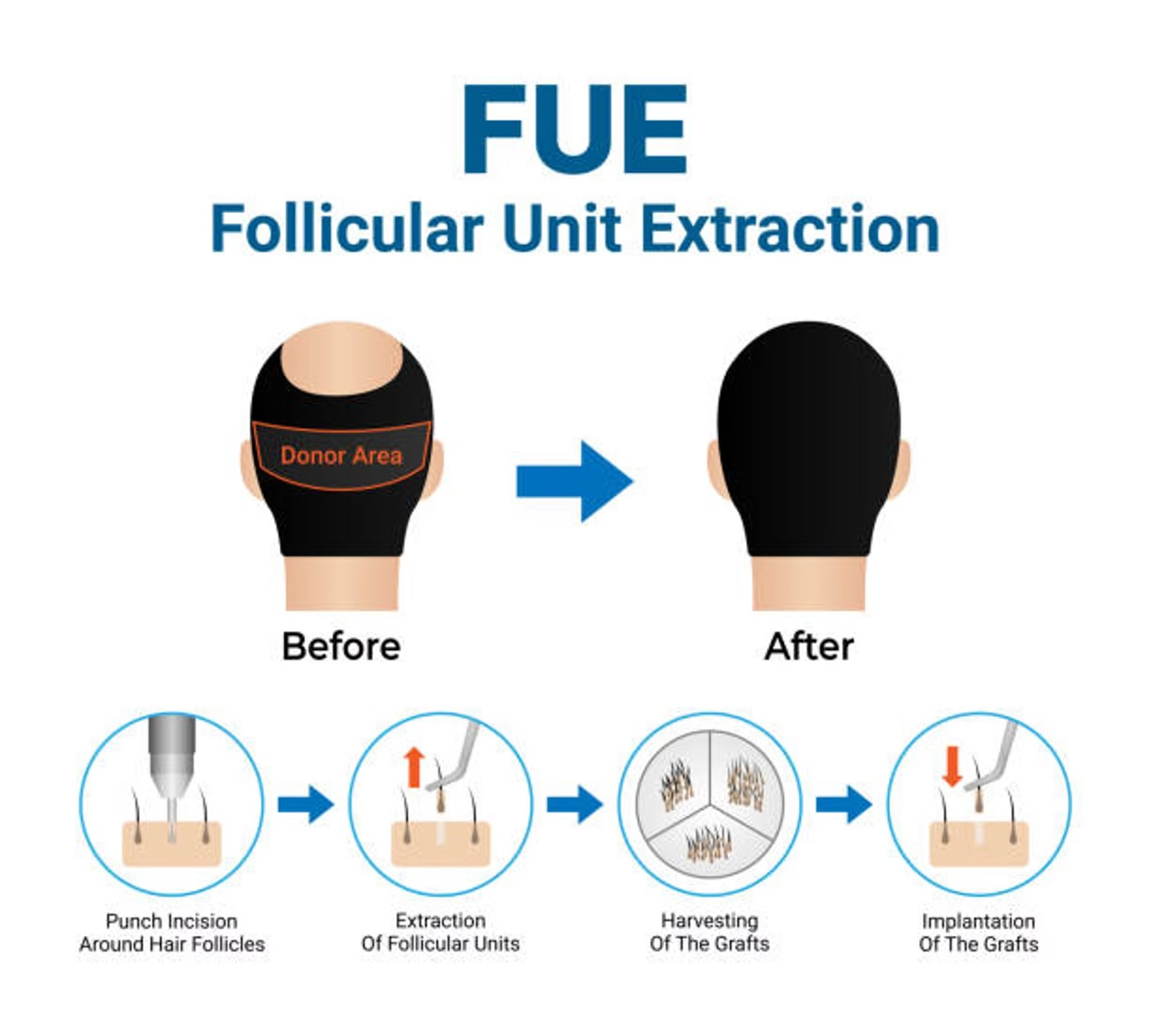
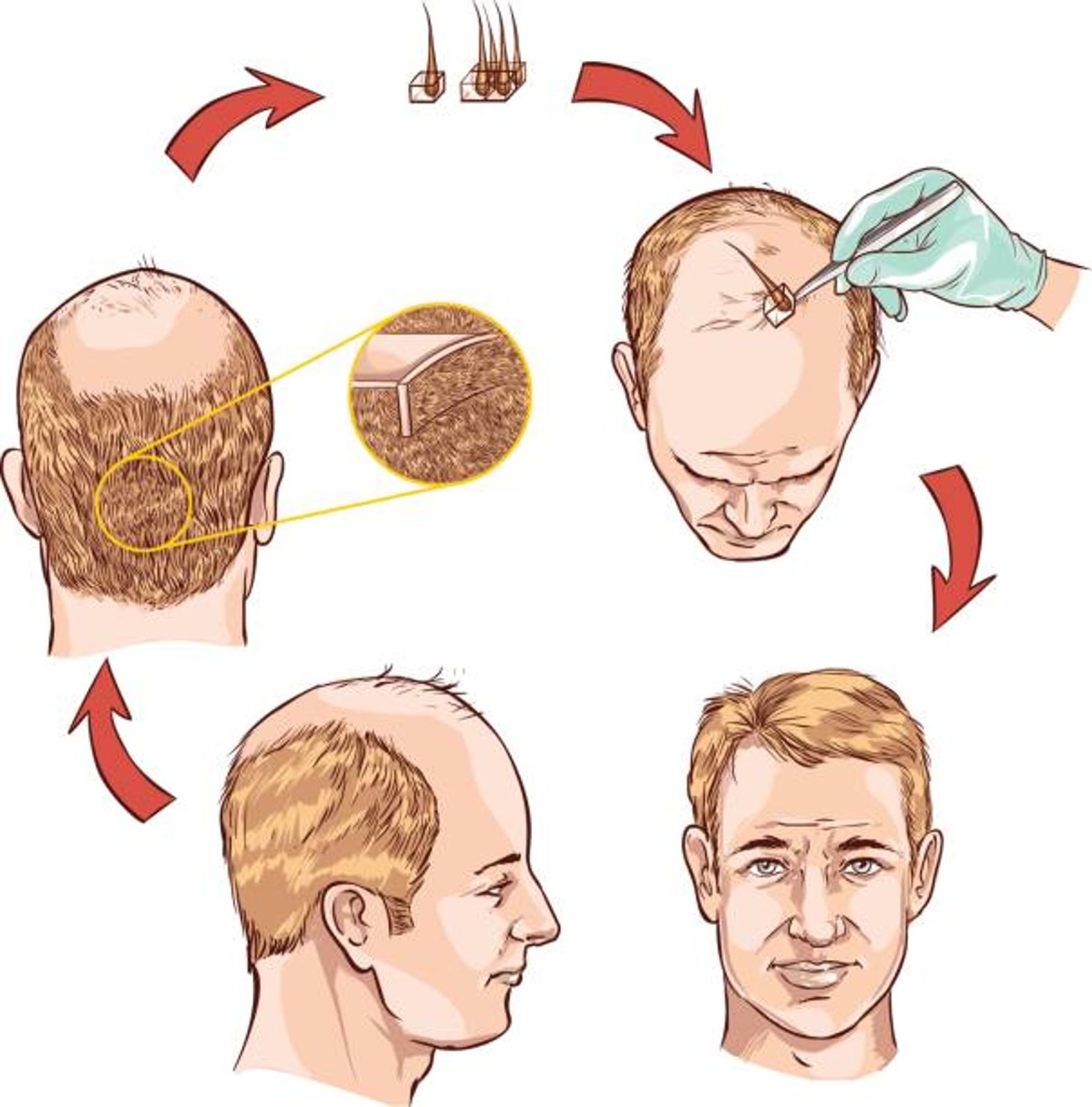
FUE hair transplant is usually the first choice for sensitive skin. It’s a minimally invasive technique where individual follicles are extracted one by one, without cuts or stitches. There’s less trauma to the scalp, less inflammation, and faster healing — all of which matter when your skin already runs hot.
02
NHDT (Natural Hair Density Transplant):
This is the signature technique Dr. Viral Desai uses, designed to deliver natural-looking density without overloading the scalp. The hair transplant by NHDT method is gentle, precise, and ideal for skin that needs careful handling.
03
FUT (Follicular Unit Transplantation):
FUT hair transplant involves removing a strip of skin from the donor area. This isn’t usually the first option for very sensitive skin because of the linear scar and longer healing time, but in certain cases — when a high graft count is needed — it can still be considered.
Before any surgery, you can also preview your future hairline using 3D hair transplant simulation, which lets you visualise the final result on your own face. This helps reduce anxiety, especially for first-time patients.
Pre-Procedure Considerations
Pre-op planning is where the real difference is made for sensitive skin patients. A rushed consultation almost always leads to problems later. With Dr. Viral Desai, the pre-procedure stage involves a few important steps:
Detailed scalp examination to identify any active skin conditions that need to be treated first.
Patch testing of anaesthetic agents and topical solutions to rule out allergic reactions.
Review of skincare routine and products — some need to be paused weeks in advance.
Medical history check — including any history of keloids, eczema, autoimmune issues, or medication allergies.
Lifestyle adjustments like avoiding alcohol, smoking, and blood-thinning medications a few days before.
Stress management since flare-ups are more likely when you’re stressed or sleep-deprived.
For women dealing with sensitive scalp issues alongside thinning, hair restoration for women follows a slightly different protocol with even more emphasis on minimising trauma.
Post-Transplant Care for Sensitive Skin
The first two weeks after the surgery are the most important. For sensitive skin, the rules are simple — be gentle, be patient, and follow your surgeon’s instructions exactly.
Here’s what post-op care typically looks like:
Use only the prescribed shampoo and cleansers. Skip your usual products until cleared.
Avoid scratching, picking, or rubbing the scalp, even if it itches. It will itch — and that’s normal.
Stay out of direct sunlight for the first 2 weeks. UV exposure can worsen redness and slow healing.
No swimming, sauna, or gym workouts for at least 2-3 weeks. Sweat is the enemy of healing skin.
Sleep elevated for the first few nights to reduce swelling.
Avoid hair dye, styling products, and heat tools for at least a month after surgery.
If at any point the redness, swelling, or itching seems worse than expected, get in touch with the clinic immediately. Sensitive skin sometimes needs minor adjustments to the recovery plan, and your surgeon can guide you through them. The full hair transplant results timeline gives a month-by-month picture of what’s normal during recovery.
Got questions about recovery for sensitive skin? Speak directly with a celebrity hair transplant surgeon in Mumbai.
Benefits of Hair Transplant for Sensitive Skin
When done correctly by an experienced surgeon, a hair transplant offers real, lasting benefits — and people with sensitive skin actually have a few advantages they don’t always realise.
Permanent results that don't depend on products
If you’re tired of trying shampoos and serums that irritate your scalp, a transplant gives you results that don’t need any maintenance products.
Natural look and feel
With techniques like NHDT and FUE, the result blends invisibly with your existing hair. No one will know unless you tell them.
Confidence that lasts
The biggest benefit isn’t physical at all. It’s how patients feel about themselves afterwards. Confidence in photos, in meetings, in social settings — the change is real.
Less reliance on harsh treatments
Many sensitive-skin patients are stuck cycling through medicated shampoos and lotions. After a successful transplant, your new hair grows naturally without those crutches.
Minimal scarring
Modern techniques leave behind almost no visible scars — important for sensitive skin that tends to scar more easily.
For those who prefer non-surgical options or want to complement a transplant, scalp micropigmentation, mesotherapy for hair, and laser therapy for hair loss are also available.
Why Choose Dr. Viral Desai for Hair Transplant for Sensitive Skin in Mumbai?
Find answers to your most common hair transplant queries right here in our FAQ section.
FAQs:
Q1. Is hair transplant safe for sensitive skin?
Q2. How long does recovery take for sensitive skin?
Most patients recover within 7 to 10 days. Sensitive skin may need a few extra days for redness to fully fade.
Q3. Will the procedure cause an allergic reaction?
Patch testing is done in advance to identify and avoid any product or anaesthetic that could trigger a reaction.
Q4. Can I get a hair transplant if I have eczema or psoriasis?
Yes, but the condition must be controlled and stable first. Dr. Viral Desai will assess and recommend the right timing.
Q5. How much does a hair transplant in Mumbai cost?
The cost depends on graft count and technique. You’ll receive a transparent, personalised quote during your consultation.
Q6. Which technique is best for sensitive skin – FUE or FUT?
FUE is generally preferred for sensitive skin because it’s minimally invasive, leaves no linear scar, and heals faster.
Our Latest Post & Updates

Pain in Breast 1 Year After Breast Reduction: Is It Normal?
Experiencing pain in breast 1 year after breast reduction can be confusing, especially when most healing happens within the first few months. While many individuals enjoy long-term comfort after the procedure, some may still notice occasional discomfort, sensitivity,...
Swelling 5 Days After Botox : Is It Normal?
While aging is natural, many individuals seek ways to slow its visible effects. With advancements in cosmetic procedures, people can now enhance their looks with minimal effort. Botox is one of the most popular treatments worldwide, a revolutionary solution for...
How Celebrity Hair Transplants in Mumbai Are Changing Hair Restoration
Scroll through enough entertainment news and you start noticing the same pattern. An actor or public figure shows up somewhere with a fuller hairline than they had a year ago, nobody actually says why, and the comment section fills up with guesses within a day. That...