


You have just emerged from the shower when you suddenly notice that you have a lot more hair going down the drain than usual.Maybe it’s in your bedsheet, hairbrush, or on your husband’s shirt as he returns from hugging you. Around your second trimester, or even after the birth of your child, you will find many women experiencing such a problem without any prior notice.
The truth is no one ever tells you about it; people only discuss your ‘glowing pregnancy.’ Well, it’s a common problem faced by many women, which is almost always temporary and has a logical medical reasoning behind it. In case your problem persists for long, the number of clinics performing hair transplantation surgeries in Mumbai would be happy to help you.
What Is Alopecia During Pregnancy?
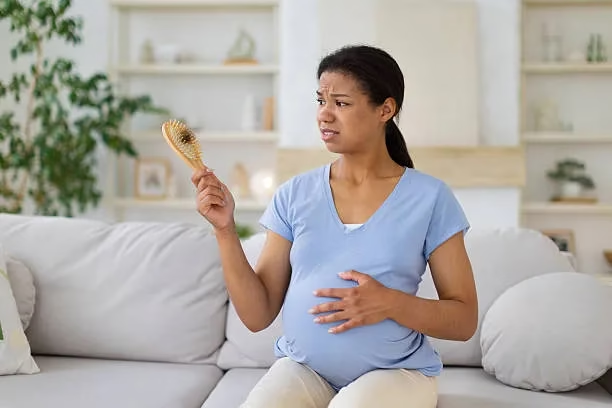
In essence, alopecia during pregnancy is nothing more than a name for the process of hair loss occurring either during the pregnancy period or several months later. It does not refer to one particular type of condition, as there are multiple reasons behind it, and they do not necessarily act alike and last the same time.
The main reason for alopecia during pregnancy has nothing to do with a problem on the scalp but rather is related to hormonal changes. In some cases, there is virtually no noticeable difference for many ladies. Some might observe how their ponytail becomes thinner within a week or two and wonder whether there is something wrong. However, in most cases, the hair returns to its natural cycle within six to twelve months.
What Are The Factors That Result In Alopecia
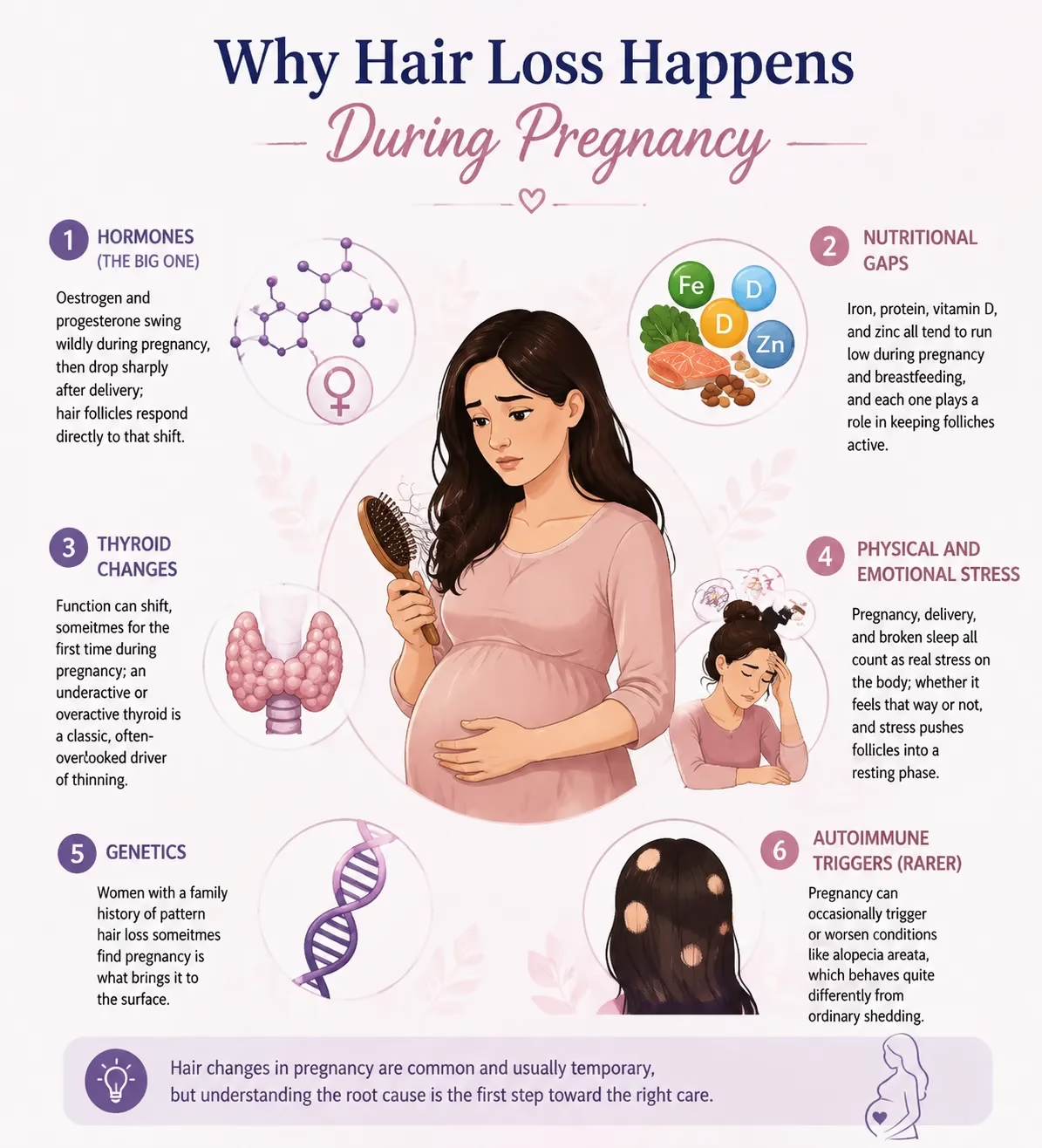
Concerned about hair fall during or post pregnancy? Consult a hair transplant surgeon and expert for treating hair fall in women like Dr Viral Desai. Contact him now for a consultation.
Types of Alopecia That Can Occur During Pregnancy
- Telogen effluvium — the most common type. A larger-than-normal number of follicles shift into their resting phase at the same time, so shedding shows up all over the scalp rather than in one spot. Usually turns up a few months after delivery, which throws people off since they expect problems during pregnancy, not after it.
- Postpartum alopecia — basically the same mechanism under a different label. It’s what happens once oestrogen drops back down after birth, undoing the thicker, fuller hair a lot of women notice while pregnant.
- Androgenetic alopecia — a separate story. Genetic pattern hair loss that may have been sitting quietly for years and only becomes obvious once pregnancy hormones shake things up.
- Alopecia areata — an autoimmune condition. Shows up as distinct patches rather than all-over thinning, and can occasionally appear for the first time during pregnancy.
Symptoms of Alopecia During Pregnancy
A few signs tend to show up, though not everyone gets all of them:

A little extra shedding is nothing to lose sleep over. The things that matter here are whether it is sudden, severe, or patchy as opposed to thinning throughout.
Don’t know the cause of your hair loss? A short consultation with Dr Viral Desai’s clinic can usually clarify it within one visit.
How to Manage Alopecia During Pregnancy?
The solution to this does not necessarily require any form of drastic intervention – it requires patience and some sensible habits. Diet plays an important role: having sufficient amounts of protein, iron rich foods and green vegetables really helps; it is the biggest factor one can change. Don’t stop taking those prenatal vitamins prescribed by your obstetrician, despite being tempted to introduce additional dietary supplements.
Be gentle to your hair physically: tight ponytails, rough brushing and excessive styling create additional stress to your hair which is under stress already. Even stress management would help since “just relax” does not work well when there is a baby at home – increase of stress hormone levels only makes things worse in combination with the hormonal changes which are already present.
However, mainly, it requires patience.The amount of hair shed following pregnancy reaches its highest level from 3 to 4 months after childbirth and stops after one year. It should also be noted that before beginning treatment or medication use for hair loss, it is important to consult with your obstetrician.
Conclusion
Hair fall during pregnancy or right after it is a much more serious issue than usual. Right now, this may indeed seem stressful, but for the vast majority of women, this is only a temporary response to hormones and does not indicate anything else. Good nutrition, hair care, and patience will deal with most of these cases during the year, even without a visit to the clinic.
If there is hair shedding that persists, or if it takes a patchy form rather than an even one, it needs a checkup, rather than worries. Dr. Viral Desai and his team from CPLSS Mumbai are quite used to seeing such cases, and they will be able to say quickly whether it’s enough for you to have assurance, supportive treatment, or something more long-term when pregnancy and breastfeeding are over – hair transplant surgery in Mumbai, for instance.
Frequently Asked Questions
1. Is postpartum hair loss considered normal?
Yes, since light to moderate shedding is quite typical for the period post-birth and normally gets resolved on its own within six to twelve months.
2. What are the timeframes when hair loss occurs?
Hair loss typically begins around three to four months after giving birth and is usually gone by approximately one year later.
3. Is it possible to use minoxidil for hair loss during pregnancy?
Normally, it’s not recommended to use such treatment during pregnancy or breastfeeding. It’s best to consult with an obstetrician regarding hair loss treatments.
4. Will hair loss be resolved after pregnancy?
For the majority of patients, yes, within one year. In case it is not, it would be wise to visit a specialist.
5. Does stress during pregnancy lead to hair loss?
Yes, stress increases the number of follicles that enter the shedding stage, hence causing hair loss along with hormonal changes.
6. When should I seek advice from a specialist regarding postpartum hair loss?
In case hair loss hasn’t stopped after one year or noticeable bald spots occur, then it would be reasonable to visit a specialist.