

Hair transplants have come a long way, but the myths around them haven’t quite caught up. Walk into any salon, scroll through a few Instagram reels, or ask a friend who heard something from his cousin’s barber, and you’ll hear all kinds of stories. Some are wildly exaggerated. Some are completely outdated. And most of them stop people from getting the help they actually need.
If you’ve been considering a hair transplant in Mumbai but keep second-guessing yourself because of something you read or heard, this one’s for you. Let’s go through the five biggest myths and clear them up — straight from the experience of Dr. Viral Desai, a celebrity hair transplant surgeon in Mumbai with over 20 years in the field.
Getting a hair transplant is a big step. You’ve done the research, picked your surgeon, sat through the procedure, and now you’re home with a freshly treated scalp and a lot of hope. But here’s something most people don’t fully realise — the surgery itself is only half the story. What you do in the weeks that follow decides how good your final result actually looks.
The recovery period is where transplants are quietly made or broken. A great procedure can still end in disappointment if the aftercare is careless. The good news? Most post-surgery mistakes are completely avoidable once you know what they are. If you’ve had or are planning a hair transplant in Mumbai, here are the ten mistakes Dr. Viral Desai, a celebrity hair transplant surgeon in Mumbai, sees most often — and exactly how to steer clear of them.
Mistake 1 – Ignoring Post-Surgery Instructions
This is the big one. Your surgeon hands you a set of aftercare instructions for a reason — every line on that sheet is there because someone, somewhere, learned it the hard way. Yet plenty of patients skim it once and then rely on memory or guesswork.
Neglecting those instructions causes very real problems: poor graft survival, infections, prolonged redness, uneven growth, and in the worst cases, the loss of transplanted follicles altogether. The first 10 to 14 days are critical, and the grafts need to settle properly. Following your surgeon’s guidance isn’t optional — it’s the single most important thing you can do. If anything on the sheet is unclear, call the clinic and ask. A two-minute question can save months of regret.
Mistake 2 – Touching or Scratching the Scalp
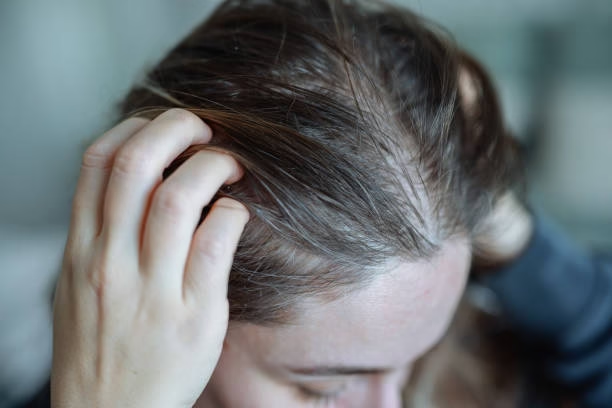
Your scalp will itch. That’s not a maybe — it’s a near-certainty. As the grafts settle and tiny scabs form, the healing process triggers an almost constant urge to touch, scratch, or pick. And that’s exactly what you must not do.
Newly transplanted follicles are fragile in the first week. They haven’t anchored into the scalp yet. A single scratch can dislodge grafts before they’ve taken root, leaving gaps in your result. Picking at scabs can also introduce bacteria and cause infection.
A few tips to manage the itch:
- Keep your hands busy and your nails short.
- Use only the prescribed spray or saline solution to soothe the area.
- Sleep with a travel pillow so your scalp doesn’t rub against anything at night.
- If the itching feels unbearable, call your surgeon instead of reaching for your fingers.
Worried you might be doing something wrong during recovery? Get expert guidance from Dr. Viral Desai.
Mistake 3 – Exposure to Sun or Heat
Mumbai’s heat is no joke, and a freshly transplanted scalp is far more vulnerable to it than you’d expect. Direct UV exposure in the first few weeks can cause swelling, redness, pigmentation changes, and slower healing. Heat from sources like saunas, steam rooms, or even standing too long over a hot stove can have a similar effect.
Recommended protective measures:
- Stay out of direct sunlight for at least 2 to 3 weeks after surgery.
- When you do step out, wear a loose, soft hat — only once your surgeon approves it.
- Avoid saunas, steam rooms, and hot showers directly on the scalp.
- Don’t apply sunscreen directly on the grafts until the clinic clears you to.
A little planning here goes a long way. The scalp is healing skin, and treating it gently in the early weeks pays off in the final result.
Mistake 4 – Using Harsh Hair Products

That expensive shampoo sitting in your bathroom? It needs to wait. The same goes for gels, sprays, serums, and any product loaded with sulphates, alcohol, or strong fragrances. In the early recovery phase, these chemicals are too aggressive for a healing scalp and can irritate or damage the new follicles.
Stick to whatever your surgeon recommends — usually a mild, medicated, or fragrance-free shampoo to be used in a very specific, gentle way. No rubbing, no scrubbing. Just a soft application as instructed.
Once you’re fully healed, your surgeon will tell you when it’s safe to return to your usual products or move on to maintenance treatments like PRP hair treatment or GFC hair treatment, which actively support healthy growth rather than working against it.
Mistake 5 – Excessive Sweating or Exercise
If you’re someone who hits the gym daily, this one will test your patience. Heavy physical activity raises your blood pressure and makes you sweat — and both are problematic for a healing scalp. Sweat can irritate the grafts and increase infection risk, while intense exertion can cause swelling and even bleeding at the graft sites.
A rough timeline to resume exercise:
- First week: rest. Light walking is fine, nothing more.
- Week 2 to 3: gentle activity, but avoid anything that makes you sweat heavily.
- After 3 to 4 weeks: most patients can gradually return to the gym, with surgeon approval.
- Contact sports and heavy weightlifting: usually best avoided for at least a month.
Always confirm the timeline with your surgeon, since it varies based on your procedure and how well you’re healing.
Mistake 6 – Smoking or Alcohol Consumption
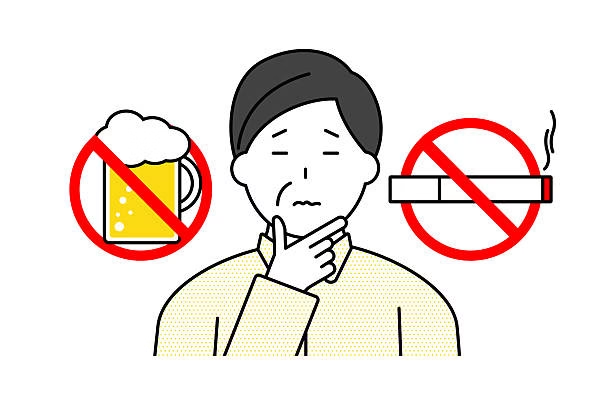
This is a hard one for many people, but it genuinely matters. Smoking restricts blood flow, and good blood circulation is exactly what your grafts need to survive and grow. Nicotine narrows the blood vessels, starving the new follicles of oxygen and nutrients right when they need them most. Poor blood supply means poor graft survival — it’s that direct.
Alcohol causes its own problems. It thins the blood, can increase bleeding and swelling, interferes with prescribed medication, and slows the overall healing process.
The advice here is simple: avoid both for at least 2 to 3 weeks after surgery, ideally longer. The longer you abstain, the better your chances of a strong, full result. Think of it as a short-term sacrifice for a permanent reward.
Have questions about your recovery do’s and don’ts? Talk to a celebrity hair transplant surgeon in Mumbai today.
Mistake 7 – Skipping Follow-Up Appointments
Once the initial discomfort fades and life gets busy, follow-up appointments are easy to skip. Many patients feel fine and assume there’s no need to go back. That’s a mistake.
Follow-ups exist so your surgeon can monitor how the grafts are settling, check that healing is on track, and catch any small issue before it becomes a big one. Infections, uneven growth, or unusual swelling are far easier to fix when spotted early. These check-ups are also your chance to ask questions and get reassurance — recovery can be an anxious time, and a quick visit often puts your mind at ease.
At CPLSS, follow-up care is treated as an essential part of the process, not an afterthought. Show up for those appointments — they’re part of what you paid for.
Mistake 8 – Impatience with Results
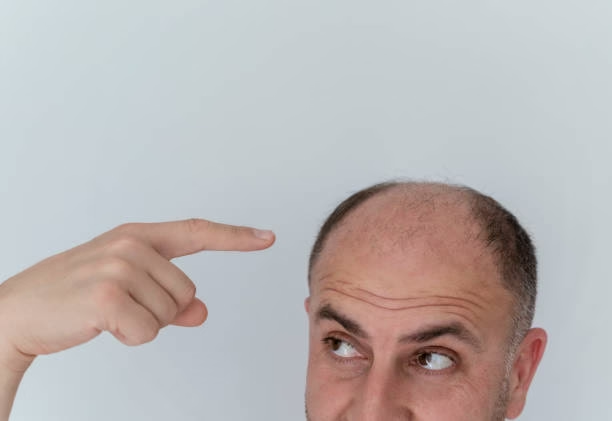
Here’s a truth that surprises many patients: the transplanted hair falls out within the first few weeks. This is called shock loss, and it’s completely normal — but if no one prepared you for it, it can be terrifying.
A realistic hair growth timeline looks like this:
- Weeks 2 to 4: transplanted hair sheds. This is expected.
- Months 3 to 4: new growth begins to appear.
- Months 6 to 8: noticeable density and coverage develop.
- Months 9 to 12: the final, full result settles in.
Patience is genuinely part of the treatment. Comparing your scalp in a mirror every morning will only cause unnecessary anxiety. You can see the full breakdown on the hair transplant results timeline page. Trust the process — good things take time.
Mistake 9 – DIY Treatments or Home Remedies
The internet is full of well-meaning advice — onion juice, coconut oil, garlic paste, herbal concoctions, miracle supplements. After a hair transplant, this is the worst possible time to experiment with any of it.
Unapproved oils and home remedies can clog the grafts, trigger allergic reactions, introduce bacteria, and interfere with healing. Supplements taken without medical advice can react with your prescribed medication. What works as a casual home remedy for someone else can quietly sabotage your result.
If you want to support your hair growth, do it the right way. Treatments like exosome therapy for hair loss and mesotherapy for hair are clinically proven and surgeon-supervised. When in doubt, ask your surgeon before trying anything new — not a YouTube video.
Mistake 10 – Neglecting Native Hair Care
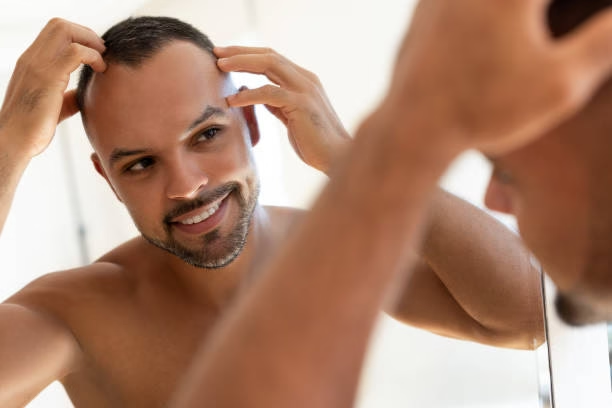
A hair transplant restores hair to thinning areas, but it doesn’t stop your existing native hair from ageing or thinning on its own. Many patients focus entirely on the transplanted area and completely forget about the rest of their hair.
This is a costly oversight. If your native hair continues to thin, you can end up with an uneven look over time — dense transplanted zones surrounded by thinning natural hair. The fix is ongoing maintenance.
Surgeon-approved options to protect your native hair include:
- PRP hair treatment — stimulates and strengthens existing follicles.
- Minoxidil — a topical treatment that helps slow native hair loss.
- Cyclical medicine for hair loss — addresses internal causes of thinning.
- Laser therapy for hair loss — a non-invasive way to support overall hair health.
- Exosomes for hair loss -Exosome therapy for hair loss uses tiny vesicles from stem cells to stimulate hair growth.
Think of your transplant as a long-term investment. Maintaining your native hair keeps the whole picture looking natural for years to come.
Want a personalised aftercare and maintenance plan? Consult Dr. Viral Desai for expert long-term guidance.
Conclusion
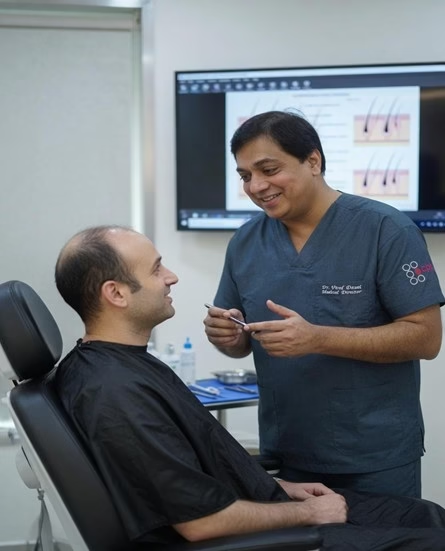
A hair transplant can genuinely change how you look and feel — but only if the recovery is handled with the same care as the surgery. None of these ten mistakes are difficult to avoid. They simply require awareness, a little discipline, and a willingness to follow expert advice instead of guesswork.
The patients who get the best results are rarely the ones with the most grafts. They’re the ones who respected the recovery process. If you’re considering a procedure or recovering from one, choosing the right surgeon makes all the difference. Dr. Viral Desai, a leading celebrity hair transplant surgeon in Mumbai with over 20 years of experience, supports patients through every stage — from the first consultation to long after the final result has grown in.
Avoid these mistakes, trust the process, and give your new hair the start it deserves.
Frequently Asked Questions
How long does it take to recover from a hair transplant?
Most patients heal within 7 to 10 days, though full results appear after 9 to 12 months.
When can I wash my hair after a hair transplant?
Usually after 48 to 72 hours, using the gentle method and shampoo your surgeon recommends.
When can I return to the gym after surgery?
Light activity is fine after 2 weeks. Intense workouts should wait 3 to 4 weeks, with surgeon approval.
Is it normal for transplanted hair to fall out?
Yes. Shedding in the first few weeks is normal shock loss. New permanent growth begins around month 3.
Can I use normal shampoo after a hair transplant?
Not immediately. Use only surgeon-approved products until your scalp has fully healed.
How soon can I go out in the sun?
Avoid direct sun for 2 to 3 weeks. After that, wear a soft hat when stepping outdoors.