


Hair Transplant in Mumbai
Are you struggling with hair loss or thinning hair and feeling self-conscious about your appearance? You’re not alone. Studies show that over 60% of men and 50% of women experience some degree of hair loss in their lifetime. If you’re seeking an effective solution to restore your hair and regain confidence, a hair transplant in Mumbai could be the answer.
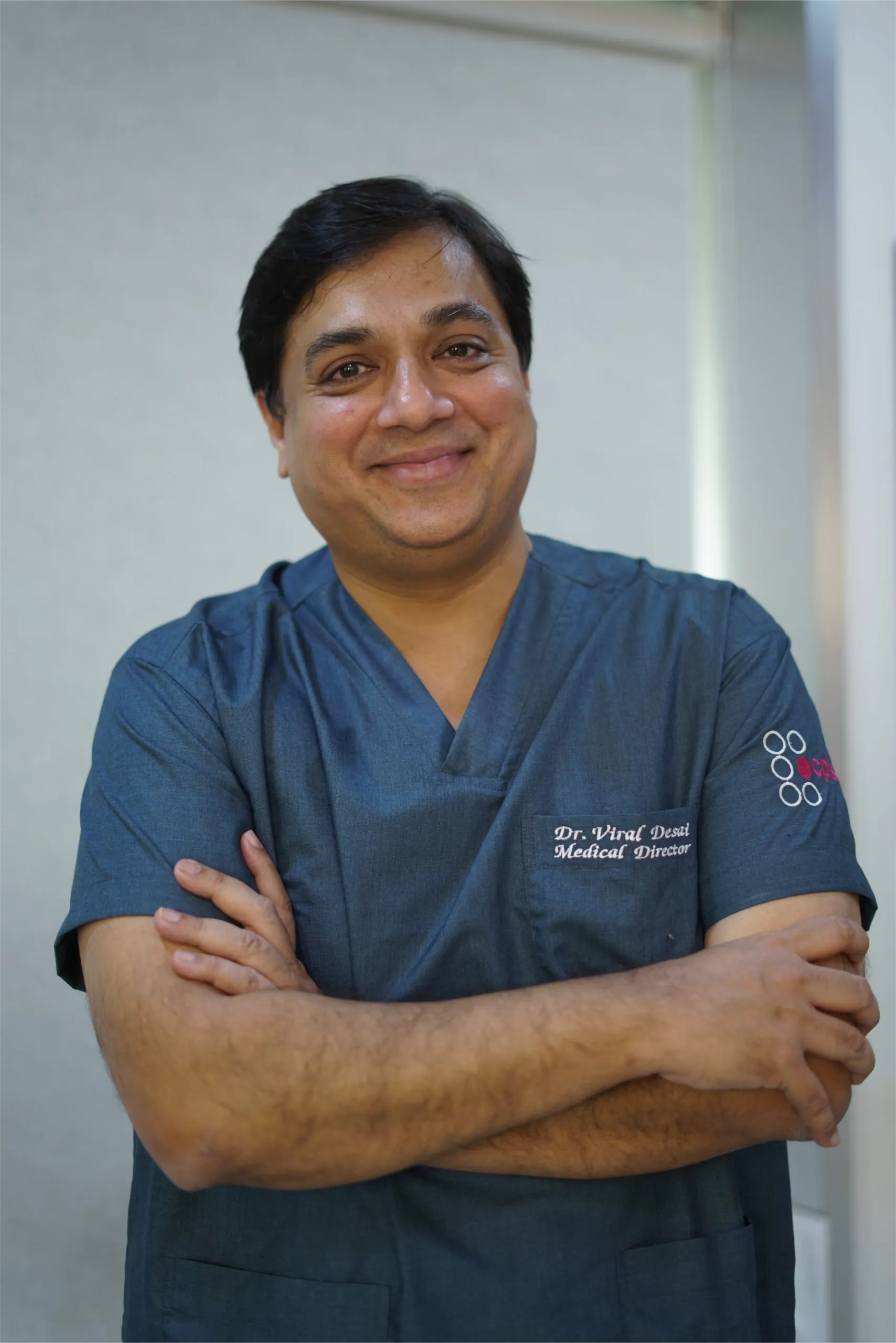
“Whether you’re facing the early stages of baldness or more advanced hair loss, a hair transplant can help you achieve a fuller, more youthful head of hair”, explains Dr. Viral Desai, an acclaimed hair transplant specialist in Mumbai.
Dr. Desai has over 23 years of expertise and a deep understanding of patient needs. At CPLSS Clinic, a state-of-the-art hair transplant clinic in Mumbai, he offers personalized care and employs cutting-edge hair transplant procedures to achieve natural-looking results. His clinic, equipped with advanced technology, offers NHDT hair transplant, an exclusive hair restoration procedure available only at his practice.

Introducing 3D Hair Transplant Simulation in India
For the first time in India, you can see your hair transplant results before surgery. At CPLSS Clinic, Dr. Viral Desai uses advanced 3D simulation and AR technology to eliminate guesswork—letting you visualise your hairline, density, and style on your own face before you decide.
Hair restoration isn’t just about adding hair—it’s about designing it right.
Google Testimonials for Dr. Viral Desai's Hair transplant clinic


Fill the form below to book an appointment
Learn how hair transplant offers natural and lasting results.
How Does Hair Transplant in Mumbai Work?
3 Steps Procedure
Step 1. Extraction Phase
Hair follicles are extracted one by one from the donor area usually the back of the head, using a specifically designed disposable tool with the diameter of 1 mm or less. There is no need to cut or shave the head prior to the session.
Step 2. Placement Phase
The Implanter, a patented tool with a diameter of 1mm or less, directly implants hair follicles into areas with hair loss, eliminating the need for prior incisions or slits. This precise method ensures a natural and efficient hair restoration process.
Step 3. Natural results
The depth, direction and angle of each graft are controlled during placement. Transplanted hair usually grows long term, but results vary between patients.
Common Misconceptions About Hair Transplants
Hair Transplant Cost in Mumbai
The cost of a hair transplant in Mumbai depends on factors such as the extent of hair loss, the number of grafts required, the technique used, and the surgeon’s experience. The overall cost may also vary based on donor hair availability and individual hair restoration goals. A consultation with hair transplant surgeon can help assess your hair loss, determine the most suitable treatment approach, and provide an estimated cost based on your specific requirements.
Hair Transplant Techniques
FUE
FUE (Follicular Unit Extraction)- Procedure usually causes only mild discomfort
- Slits and holes made before implantation
- Divided under a microscope before implantation
- Difficult to maintain direction and depth
- Small scars are present
- Shaving required
- Growth rate varies
- Mostly by technicians
- No written protocol followed
- Recovery time 2-3 day
NHDT
NHDT (Natural High Density Transplant)- Painless procedure
- Follicles implanted directly
- No prior handling under the microscope
- Complete control over angle, depth, and direction
- Small dot-like scars may be present
- No shaving required
- Performed by NHDT Academy trained and certified surgeons
- Global protocol followed
- Recovery time 1 day
- Instrument size less than 1mm in diameter
FUT
FUT (Follicular Unit Transplantation)- Painful procedure
- A large strip of skin is removed from donor area
- Divided under a microscope before implantation
- Difficult to maintain direction and depth
- Leaves a prominent linear scar
- Shaving required
- Growth rate varies
- Mostly by technicians
- No written protocol followed
- Recovery time 2 weeks
Consult an expert for hair transplant aftercare guidelines.
Why Choose NHDT for Hair Transplant in Mumbai?
Safety
Protocols are applied to the procedure. Like any surgery, a hair transplant carries risks, which are explained at consultation.
Maximum Viability Guaranteed
Grafts viability rate is above 90%, while industry’s average is about 50%, as per NHDT studies
Natural Result
Full control of the depth, the direction and the angle of placement ensures 100% natural result
Only by Doctors
The procedure from start to finish is performed by medical doctors, trained and certified by LHRTA
Painless
For the extraction and the placement tiny disposable instruments are used with the diameter of 1 mm or less
Donor follicles
Follicles from donor areas that are generally resistant to hair loss are chosen. Results vary between patients.
Hair Transplant Specialist in Mumbai — Dr. Viral Desai
Want to know your hair transplant recovery after a NHDT transplant? Check out the details below.
NHDT Hair Transplant Recovery and Aftercare
Immediate Post-Procedure Care
Rest: Rest for the remainder of the day following your procedure.
Avoid Touching: Do not touch or scratch the treated area to prevent infection or dislodging of grafts.
Medication: Follow prescribed medication guidelines to manage pain and prevent infection.
First Few Days
Gentle Cleaning: Use a mild shampoo to gently clean the scalp after 48 hours.
Avoid Exercise: Refrain from strenuous activities and exercise for at least one week.
Sleep Position: Sleep with your head elevated to reduce swelling.
First Week
Swelling and Redness: Mild swelling and redness are normal and should subside within a few days.
Scab Formation: Small scabs will form around the implanted follicles and typically fall off within a week.
Follow-Up Appointment: Attend your follow-up appointment to ensure proper healing.
First Month
Hair Shedding: Transplanted hair may shed within the first few weeks, which is a normal part of the process.
Gentle Care: Continue to handle your scalp gently, avoiding any harsh treatments or styling.
Ongoing Care
New Hair Growth: New hair growth will begin to appear in 3-4 months, with full results visible within 6 to 12 months.
Healthy Lifestyle: Maintain a healthy diet and lifestyle to support hair growth.
Regular Check-Ups: Schedule regular check-ups with your hair transplant specialist to monitor progress and address any concerns.
Find answers to your most common hair transplant queries right here in our FAQ section.
FAQs:
What is NHDT hair transplant success rate?
What is the ideal candidate for NHDT hair transplant?
Ideal candidates are men or women with hair loss and a healthy donor area seeking high-density, natural results.
Is NHDT hair transplant painful?
NHDT is minimally painful as it is performed under local anesthesia with only mild post-procedure discomfort.
How long does NHDT take and what is the recovery time?e
NHDT usually takes 6–8 hours, with most patients resuming normal activities within 7–10 days.
Can women undergo NHDT hair transplant?
Yes, NHDT is suitable for women and works well for diffuse thinning and hairline restoration.
Can a previous poor hair transplant be corrected with NHDT?
Yes, NHDT can effectively correct failed or unnatural hair transplants by improving density and hair direction.
Does NHDT leave scars?
NHDT leaves only tiny, barely visible dot scars and no linear scarring.
What is the cost of a hair transplant?
The cost of a hair transplant depends on factors such as the extent of hair loss, the number of grafts required, the technique used, and the surgeon’s experience. The final cost is determined after evaluating your scalp condition, donor hair availability, and hair restoration goals. A consultation can help you understand the most suitable treatment plan and its estimated cost.
Is a hair transplant permanent?
Yes, a hair transplant can provide long-lasting results, as transplanted hair follicles are generally taken from areas of the scalp that are resistant to pattern hair loss. However, the natural hair surrounding the transplanted area may continue to thin over time. The long-term results depend on factors such as donor hair quality, the progression of hair loss, and post-procedure care.
Is a hair transplant painful?
A hair transplant is generally performed under local anaesthesia, which numbs the scalp and helps minimise pain during the procedure. You may experience mild discomfort during anaesthesia injections, followed by temporary soreness, swelling, tightness, or tenderness after surgery. These symptoms usually improve during recovery, and your surgeon will provide appropriate aftercare instructions.
Is a hair transplant safe?
A hair transplant is generally considered safe when performed by a qualified, experienced surgeon in an appropriate clinical setting. However, like any surgical procedure, it carries potential risks, including infection, bleeding, scarring, swelling, and inadequate hair growth. A thorough consultation helps determine your suitability for the procedure and allows your surgeon to explain the potential benefits, risks, and expected results.
Our Latest Post & Updates

Lumps Lip Filler After 2 Weeks: Causes & Solutions
Lip fillers are a popular cosmetic procedure for enhancing lip volume and shape. While the procedure is generally safe, some individuals may experience lumps after the treatment. If you’ve noticed lumps lip filler after 2 weeks, you might be concerned about whether...

Hair Transplant Results 6 months vs 12 months
Hair loss can be an emotional struggle, affecting self-esteem and social confidence. Whether caused by genetics, hormonal imbalances, or stress, thinning hair can leave individuals searching for effective solutions. According to global statistics, over 60% of men and...

Transplanted Hair Falling Out After 2 Years
Hair transplantation has been a life-changing surgery for balding individuals. With cutting-edge technologies like Follicular Unit Extraction (FUE) , surgeons are able to restore hair in bald areas permanently in a subtle and imperceptible way. However, some people...