

Hair transplants get talked about a lot, but very few people actually understand what’s happening beneath the surface. Most patients walk into a clinic with a vague idea that hair gets “moved from one part of the head to another” and leave with even more questions. How does the transplanted hair survive? Why doesn’t it fall out again? What makes one procedure successful and another disappointing?
The truth is, hair transplantation is rooted in some genuinely fascinating biology. Once you understand the science, the procedure makes a lot more sense — and so does why choosing the right surgeon matters so much. If you’re considering a hair transplant in Mumbai, here’s everything happening behind the scenes, explained by Dr. Viral Desai, a celebrity hair transplant surgeon in Mumbai with over two decades of expertise.
Understanding Hair Follicles
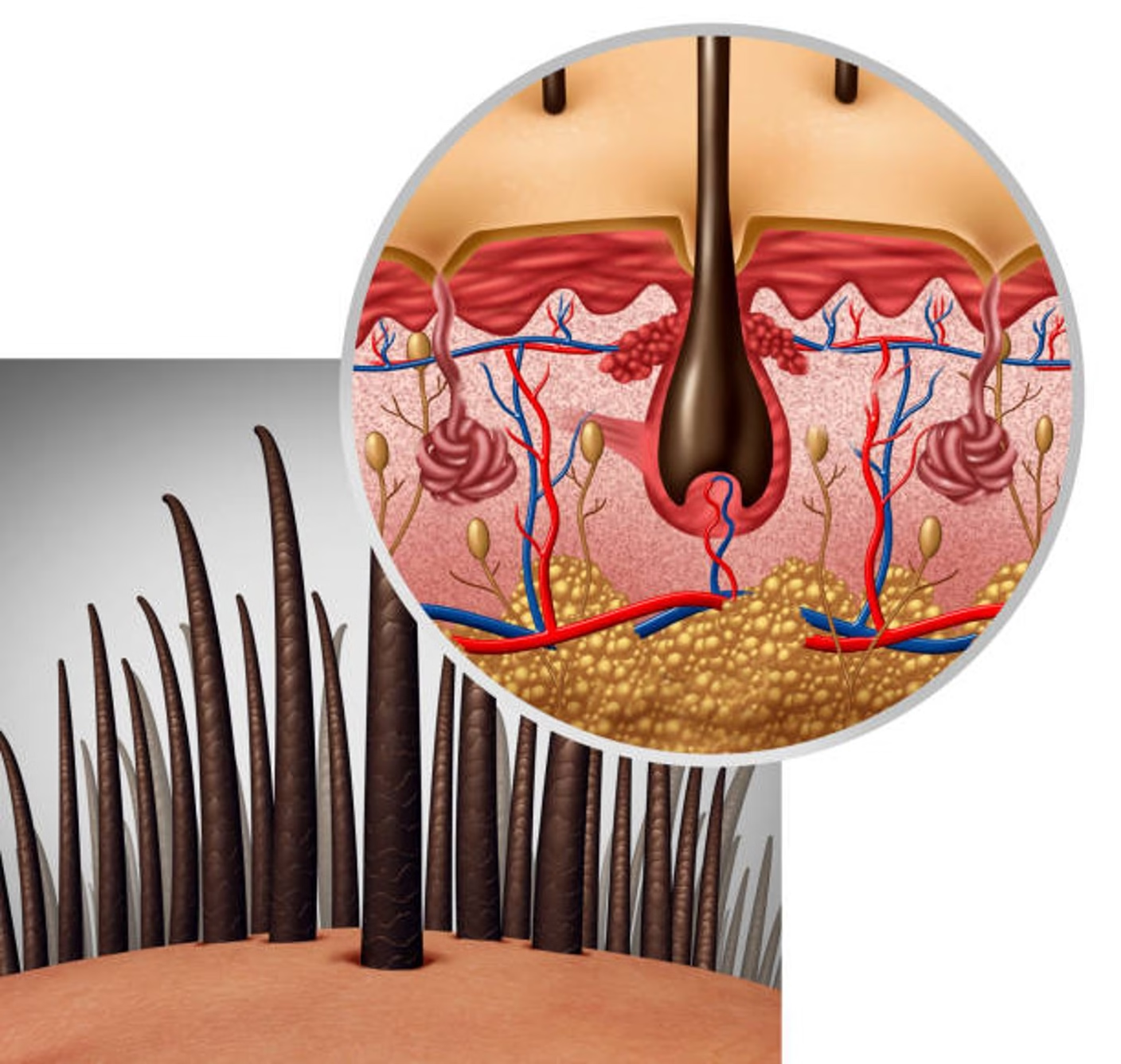
Everything about a hair transplant comes back to one tiny structure — the hair follicle. A follicle is a small pocket in the skin that produces a single strand of hair. The average human scalp has somewhere between 100,000 and 150,000 follicles, each one going through its own cycle of growth, rest, and shedding.
Here’s where it gets interesting. Not all follicles are created equal. The ones at the back and sides of your scalp — what doctors call the donor area — are genetically programmed to resist the hormone DHT (dihydrotestosterone), which is the main cause of male pattern baldness. The follicles at the top and front of your scalp are far more sensitive to DHT, which is why those are the areas that typically thin out first.
This biological difference is the entire foundation of a hair transplant. When follicles from the resistant donor area are moved to the thinning area, they keep their original genetic programming. They don’t suddenly start behaving like the hair around them. They continue to grow — for life. This concept is known as donor dominance, and it’s why hair transplants work as a permanent solution rather than a temporary fix.
Understanding your specific follicle behaviour is the starting point of any treatment plan. Whether you’re a candidate for surgery, for non-surgical options like PRP hair treatment and GFC hair treatment, or for a combination of both, depends on what’s happening at the follicular level.
Want to understand what’s really happening with your hair?Get a personalised scalp analysis from Dr. Viral Desai.
Methods of Hair Transplantation
There are two main techniques used worldwide today, and both are practised at CPLSS, Dr. Viral Desai’s clinic in Mumbai. Each method has its own science, its own advantages, and its own ideal patient profile.
1. FUE (Follicular Unit Extraction)
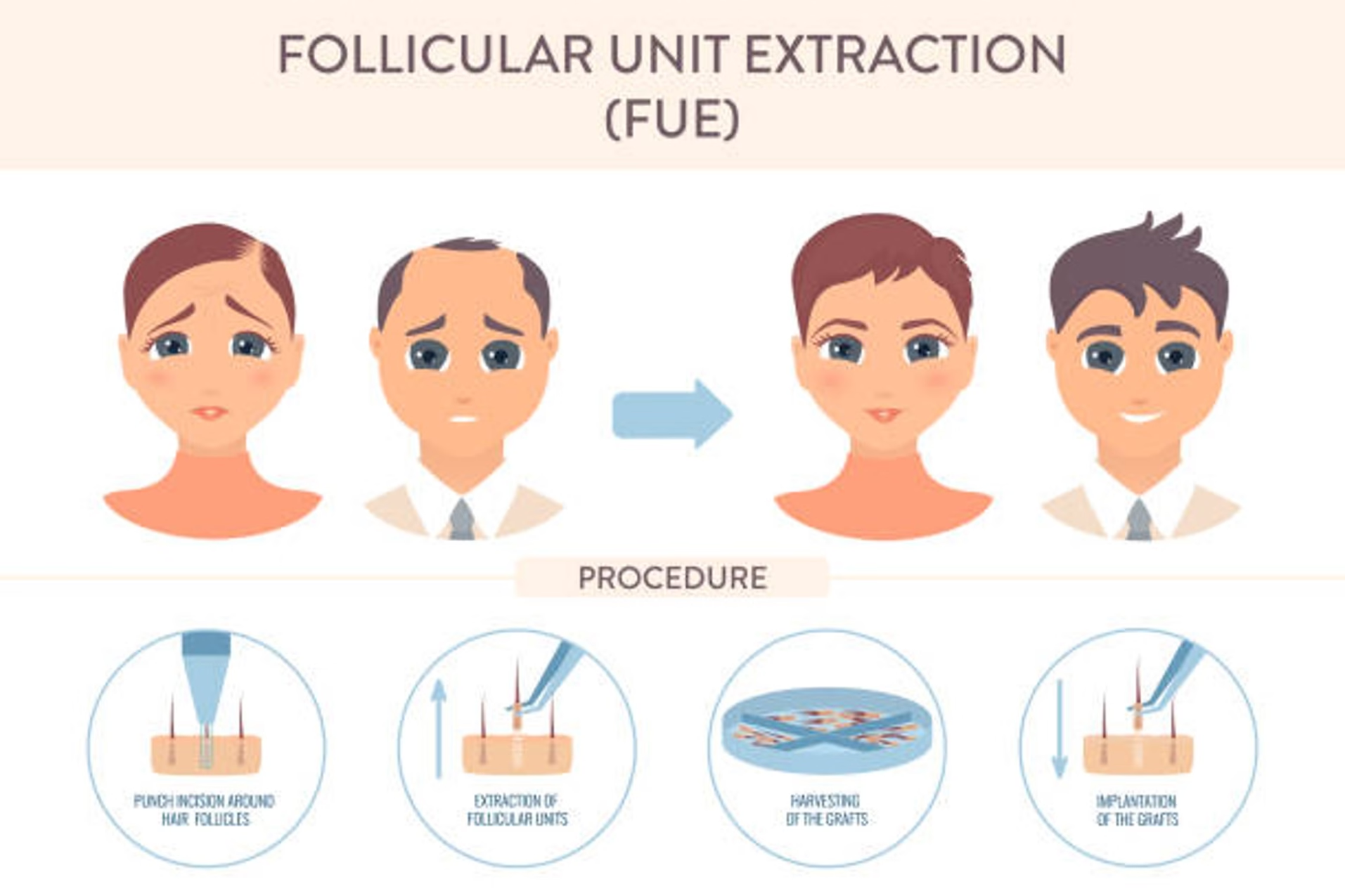
FUE hair transplant is the most popular technique today. Individual follicular units — small natural groupings of 1 to 4 hairs — are extracted one at a time from the donor area using a precision tool. There are no incisions, no sutures, and no linear scarring. The healing is quick, and the donor area looks almost untouched within a couple of weeks.
This method is especially useful when patients want to keep their hair short or have sensitive skin. It’s also the technique of choice for beard hair transplants and eyebrow transplants, where precision matters even more.
- FUT (Follicular Unit Transplantation)
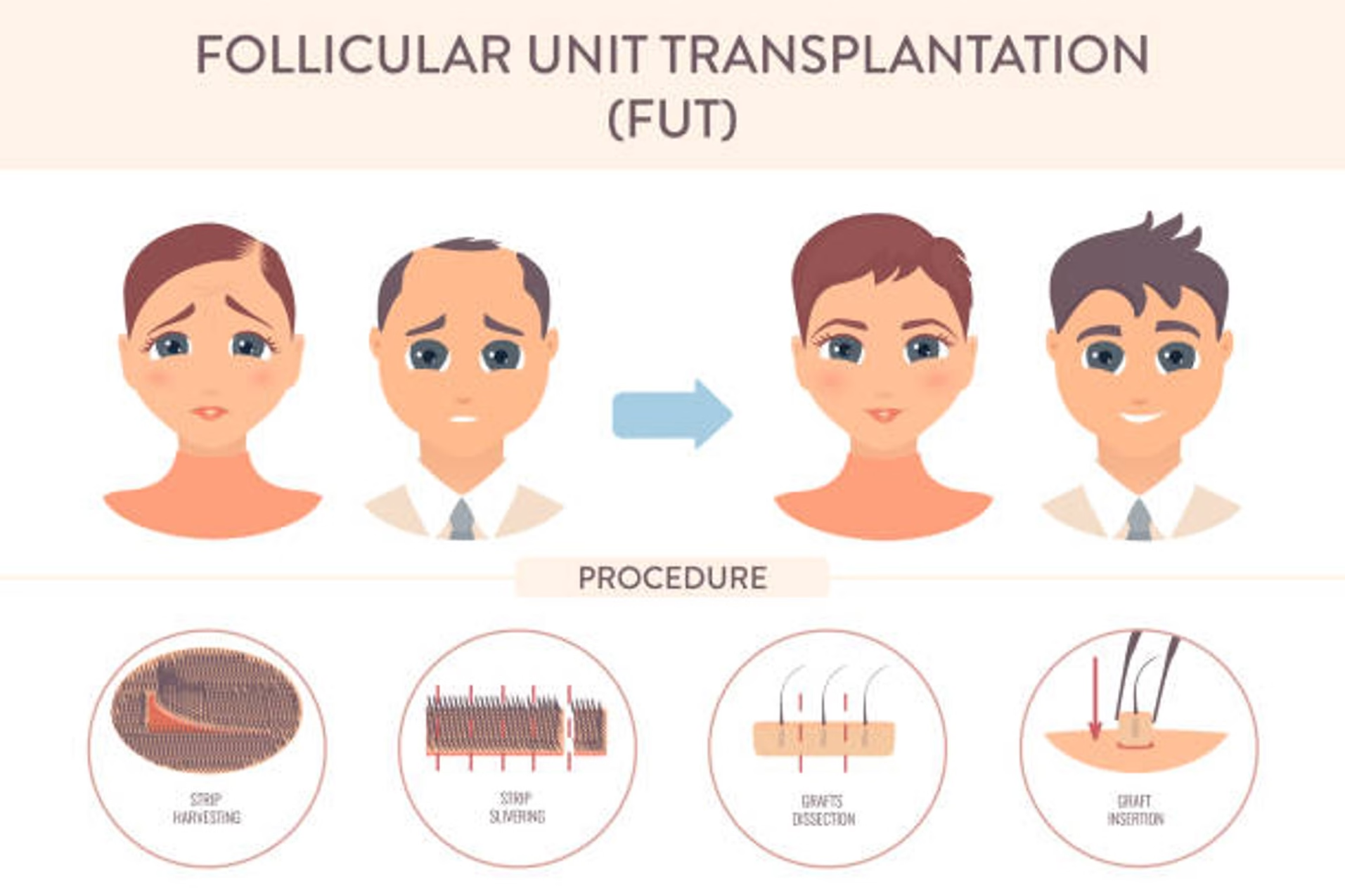
FUT hair transplant — sometimes called the strip method — involves removing a thin strip of skin from the donor area, then dissecting it under microscopes into individual follicular units. It allows for a higher graft count in a single session, which makes it suitable for patients with extensive baldness.
The trade-off is a thin linear scar at the donor area, which is usually well hidden by the surrounding hair.
- NHDT (Natural Hair Density Transplant)
This is the signature technique developed and refined by Dr. Viral Desai. NHDT focuses on recreating natural density without overloading the scalp. Every follicle is placed at the right angle, depth, and direction so the final result blends seamlessly with your existing hair. It’s the kind of detail-oriented work that separates an average result from a truly natural one.
For patients wanting to visualise their result before the surgery, 3D hair transplant simulation technology is available — giving you a realistic preview of how your hairline will look once the new growth is in.
The Step-by-Step Procedure
Most patients imagine a hair transplant as something complex and frightening. In reality, it’s a fairly methodical, calm procedure when done by an experienced hair transplant surgeon in Mumbai. Here’s how the journey unfolds, step by step:
Step 1 – Consultation and Planning
This is where everything begins. Your scalp is examined, donor density is assessed, your medical history is reviewed, and your goals are discussed. Realistic expectations are set, the technique is chosen, and a custom hairline is designed. No two scalps are identical, and no two plans should be either.
Step 2 – Preparing the Donor Area
On the day of the procedure, the donor area is trimmed and cleaned. Local anaesthesia is given to numb the scalp, so the entire process is painless. You’re awake throughout but completely comfortable.
Step 3 – Extracting the Grafts
Using FUE or FUT, follicular units are carefully extracted. In FUE, this is done one follicle at a time with a punch tool. In FUT, a strip is removed and dissected. Once harvested, the grafts are kept in a special preservation solution to maintain their viability.
Step 4 – Designing the Recipient Site
This is the artistic part. Tiny incisions are made in the thinning area, each at the exact angle and direction that matches your natural growth pattern. The placement decides how the final result looks — too uniform and it appears fake, too random and it looks messy. Getting this right takes both skill and aesthetic judgement.
Step 5 – Implanting the Grafts
Each follicle is carefully placed into the recipient sites. This is meticulous, hour-long work, and it’s what determines the density, the line, and the natural look. Modern techniques like NHDT make this step especially precise.
Step 6 – Recovery and Growth
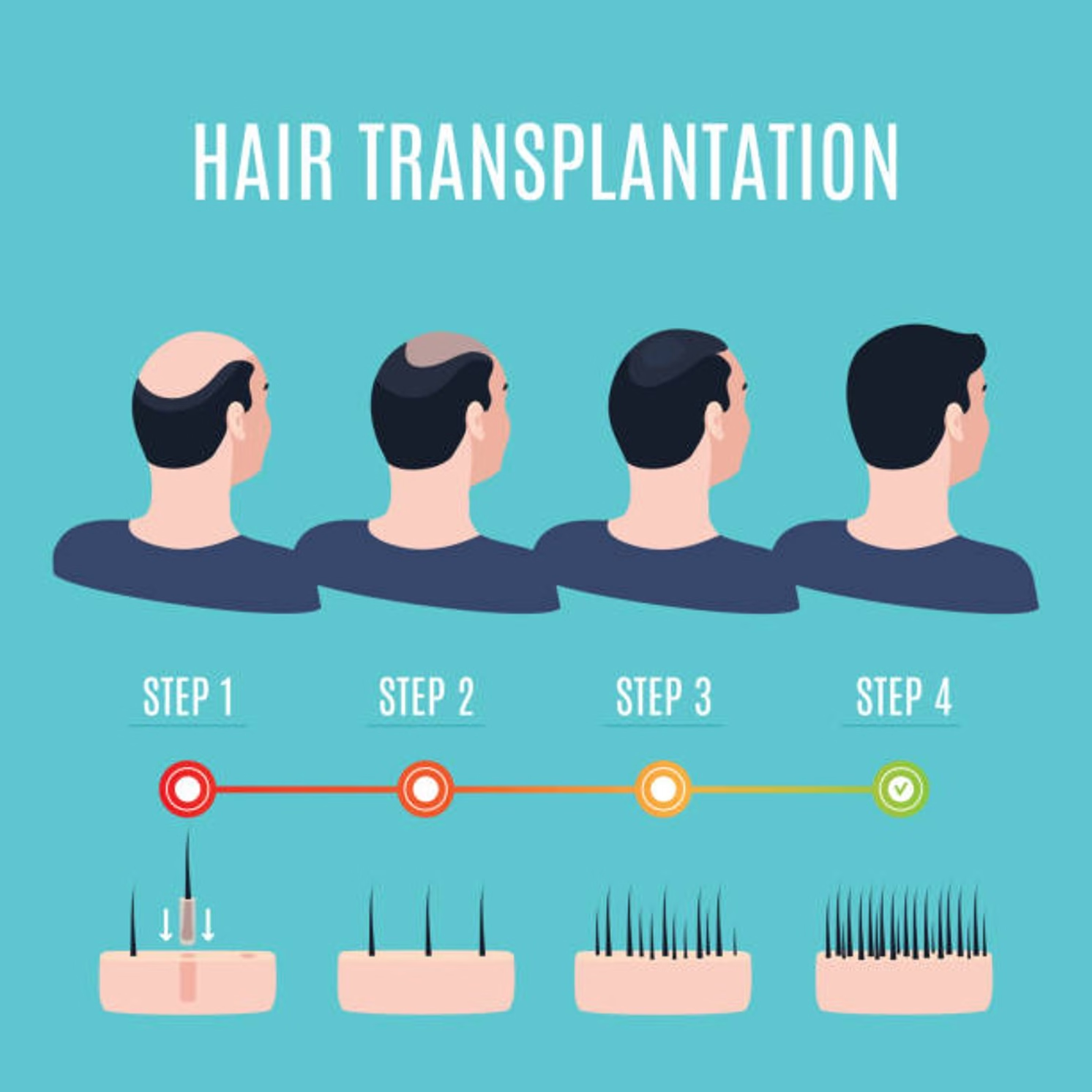
After the procedure, you go home the same day. The transplanted hair sheds in the first few weeks, new growth appears around month 3, and the full result becomes visible at 9 to 12 months. The detailed hair transplant results timeline shows exactly what happens at each stage.
Want to see what your result could look like? Get a 3D simulation and personalised plan from a celebrity hair transplant surgeon in Mumbai.
Factors Affecting Success
Two patients can have the same surgery on the same day and end up with very different results. Why? Because outcomes depend on a mix of biological, medical, and practical factors. Knowing what affects success helps you stack the odds in your favour.
- Donor area quality. The denser and healthier your donor hair, the better the result. A poor donor area limits how much can be transplanted.
- Stage of hair loss. Catching hair loss at the right stage — not too early, not too late — gives the best long-term result. Active, fast-progressing loss is usually treated medically first.
- Skill of the surgeon. This is the single biggest variable. Graft placement, angle, density planning, and aesthetic judgement all depend on the surgeon’s experience.
- Technique chosen. FUE, FUT, and NHDT each have specific cases where they perform best. Picking the right one matters.
- Post-surgery care. Following aftercare instructions, attending follow-ups, and avoiding harmful habits like smoking directly affect how well the grafts survive.
- Lifestyle and overall health. Nutrition, stress levels, sleep, and general health influence healing and hair growth.
- Maintenance treatments. Combining surgery with ongoing care like mesotherapy for hair, laser therapy for hair loss, or exosome therapy for hair loss can significantly improve and extend results.
For women, hair loss biology works a little differently, which is why hair restoration for women follows a slightly different protocol. Understanding these differences is part of what makes a surgeon’s expertise so important.
Common Misconceptions About Hair Transplantation
Even with all the information available online, the same myths keep coming up in consultations. Let’s clear up the most common ones.
“Hair transplants look fake.”
This used to be true decades ago. Modern techniques like FUE and NHDT produce results that are completely undetectable when done by a skilled surgeon.
“The transplanted hair will eventually fall out.”
This is the donor dominance principle in action. Transplanted follicles from the DHT-resistant donor area continue to grow for life. They don’t fall out the way native thinning hair does.
“Hair transplants are only for men.”
Women experience hair thinning too, and the techniques have evolved to suit female hair loss patterns. Female hair transplants are a growing area of cosmetic surgery.
“The procedure is extremely painful.”
Local anaesthesia makes the surgery itself painless. Mild tenderness during recovery is normal but manageable.
“You’ll see results within a few weeks.”
Patience is crucial. The transplanted hair sheds in the first month and new growth takes 9 to 12 months to fully appear. For those who want extra density during the wait, scalp micropigmentation is an option some patients choose to explore.
“All clinics deliver the same results.”
Far from it. Experience, technique, equipment, ethics, and aesthetic judgement all vary widely. Your choice of surgeon is genuinely the most important decision you’ll make in this entire process.
Conclusion
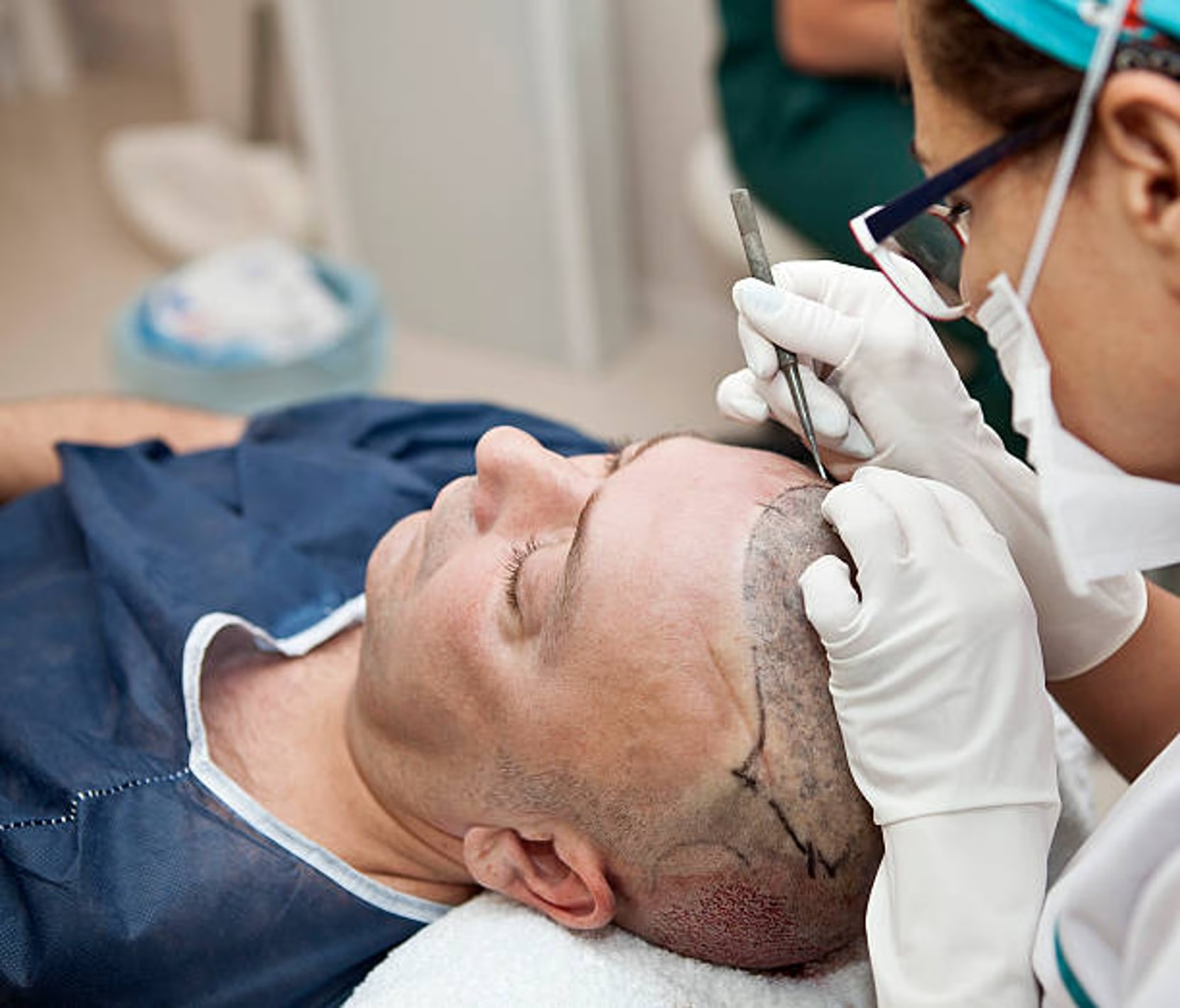
Hair transplantation isn’t magic — it’s biology, precision, and artistry working together. The follicles are real, the science is solid, and the results are permanent when the procedure is done correctly. What makes the difference is the hands doing the work.
If you’ve been weighing your options or simply wanted to understand how a hair transplant truly works, hopefully this gives you a clearer picture. The next step is a conversation with someone qualified to assess your specific situation. Dr. Viral Desai, a leading celebrity hair transplant surgeon in Mumbai with international recognition, offers consultations where the science is explained in plain language and the plan is built around your goals.
Knowing how something works is the first step to trusting it. Your hair, your decision — but at least now you know what’s actually happening under the surface.
Frequently Asked Questions
How does a hair transplant actually work?
Healthy follicles from the back of the scalp are moved to thinning areas, where they keep growing naturally because they’re resistant to balding.
Is the transplanted hair permanent?
Yes. The transplanted follicles continue to grow for life since they come from the DHT-resistant donor area.
Which is better — FUE or FUT?
FUE is preferred for most patients due to faster healing and no linear scar. FUT works better when a high graft count is needed.
How long does the surgery take?
Most procedures take 4 to 8 hours depending on the number of grafts required.
When will I see results?
New growth appears around month 3. Full results are visible between 9 and 12 months after surgery.
Is hair transplant painful?
No. It’s performed under local anaesthesia, so the procedure itself is painless. Mild discomfort during recovery is normal.