

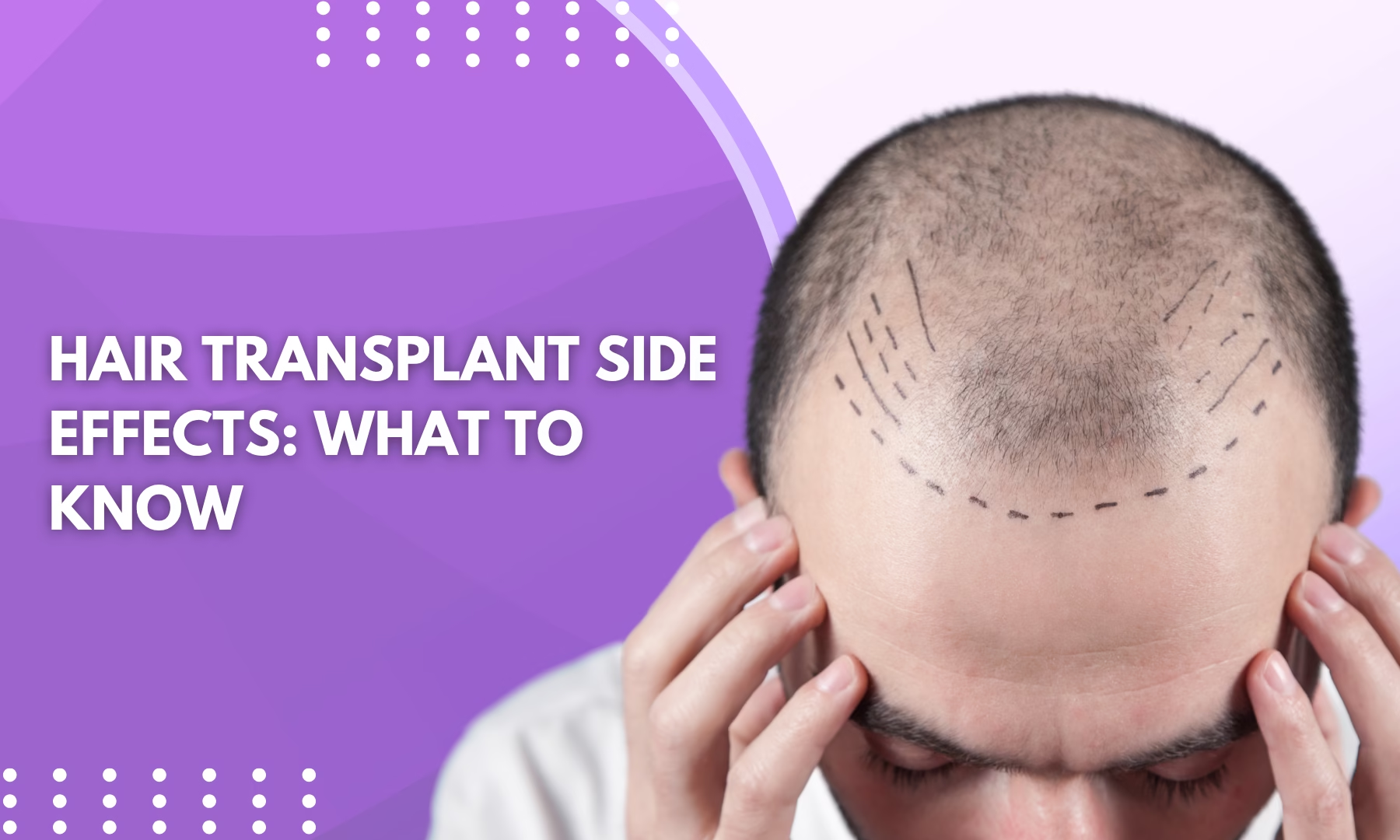
Most hair transplant side effects are mild and pass on their own within weeks. They’re part of the healing process, not a red flag. Clinical reviews put overall complication rates somewhere between 1 and 5%, and serious issues are genuinely rare. Nearly everyone deals with some swelling, scabbing, or short-term shedding early on. So when something like infection or unusual numbness does show up, that’s exactly why post-op follow-up exists.
According to Dr. Viral Desai, hair transplant surgeon in Mumbai, “Swelling and scabbing during the first week are a normal part of recovery, not something to worry about. But I always tell patients to call me the moment pain starts worsening instead of easing, or if redness spreads, or a wound just isn’t closing the way it should. That’s the line between watching and waiting.”
Not sure if what you’re seeing is normal healing or something more?
What Are the Most Common Hair Transplant Side Effects?
Nearly every patient goes through some version of these in the first couple of weeks. None of it signals a botched procedure.
Swelling and bruising: Shows up around the forehead and eyes about 3 to 5 days after surgery, most often. Fluid tracks down from the recipient area, that’s really all it is, and it clears within a week on its own.
Scabbing and redness: Small scabs form around each graft while the scalp heals. Give them 7 to 10 days and they’ll flake off by themselves. Don’t pick at them, that’s how grafts get dislodged.
Itching and mild pain. New follicles settling in tend to itch. A good aftercare routine keeps it manageable, and any pain is usually mild enough that standard painkillers handle it fine.
Shock loss: It’s normal for the newly transplanted hair to fall out in the first few weeks. This isn’t graft failure, it’s the shaft shedding while the follicle stays in place beneath the skin, making way for new growth once the follicle re-enters its active phase.
Anything that drags on past what’s expected is worth a proper look rather than a wait-and-see approach. A hair transplant consultation settles the question fast.
When Should Hair Transplant Side Effects Worry You?
Most patients never reach this point. But it helps to know what the warning signs actually look like.
Infection: Spreading redness, warmth, pus, or a foul smell near the grafts. Rare, but it moves quickly once it starts, so prompt treatment is important.
Numbness or nerve issues. Some numbness right after surgery is completely normal. Months later, though, especially paired with sharp localized pain, that’s worth flagging.
Wide or raised scarring: Tighter scalps and slower healers sometimes end up with a widened FUT donor scar. FUE isn’t immune either, occasionally leaving small raised marks of its own.
Poor graft take or patchy growth: Often comes down to how the grafts were handled during surgery, or how closely aftercare instructions got followed. It rarely shows itself until months in, which is exactly why it catches people off guard.
Our breakdown on getting a hair transplant a second time covers what happens when round one needs a correction.
Why Choose Dr. Viral Desai for Hair Transplant Care?
Dr. Viral Desai has 24 years of experience and over 10,000 hair transplant procedures performed, plus fellowship training at Singapore General Hospital. He pioneered the NHDT method, which cuts down visible trauma and makes for an easier recovery. Every patient starts with a donor-capacity and scalp assessment, because risk planning happens before the first incision, not after.
Complications almost always start small and get overlooked. That’s the gap his team’s structured post-op follow-ups are built to close. Call +91 98338 77001 to book your consultation.
Questions about something you’re noticing post-surgery?
Frequently Asked Questions
Is swelling after a hair transplant normal?
Yes, mild swelling around the forehead and eyes for 3–5 days is expected.
How long does scabbing last after a transplant?
Usually 7 to 10 days before it sheds on its own.
Can transplanted hair fall out afterward?
Yes, that’s shock loss. Temporary, and it regrows within a few months.
When should I call my surgeon about side effects?
If pain, redness, or swelling gets worse instead of better after a week.
Disclaimer: This article is for educational purposes only. If you notice worsening symptoms after a hair transplant, contact your surgeon promptly.